
What Happens If I Ignore a Hernia?
Quick answer: Most adult hernias do not heal on their own. A small, soft, minimally symptomatic hernia may sometimes be watched for a period, but a hernia that is painful, enlarging, difficult to push back, or associated with vomiting should be assessed promptly. For local patients, a planned hernia surgery consultation in Brisbane is usually a better pathway than waiting for an emergency.
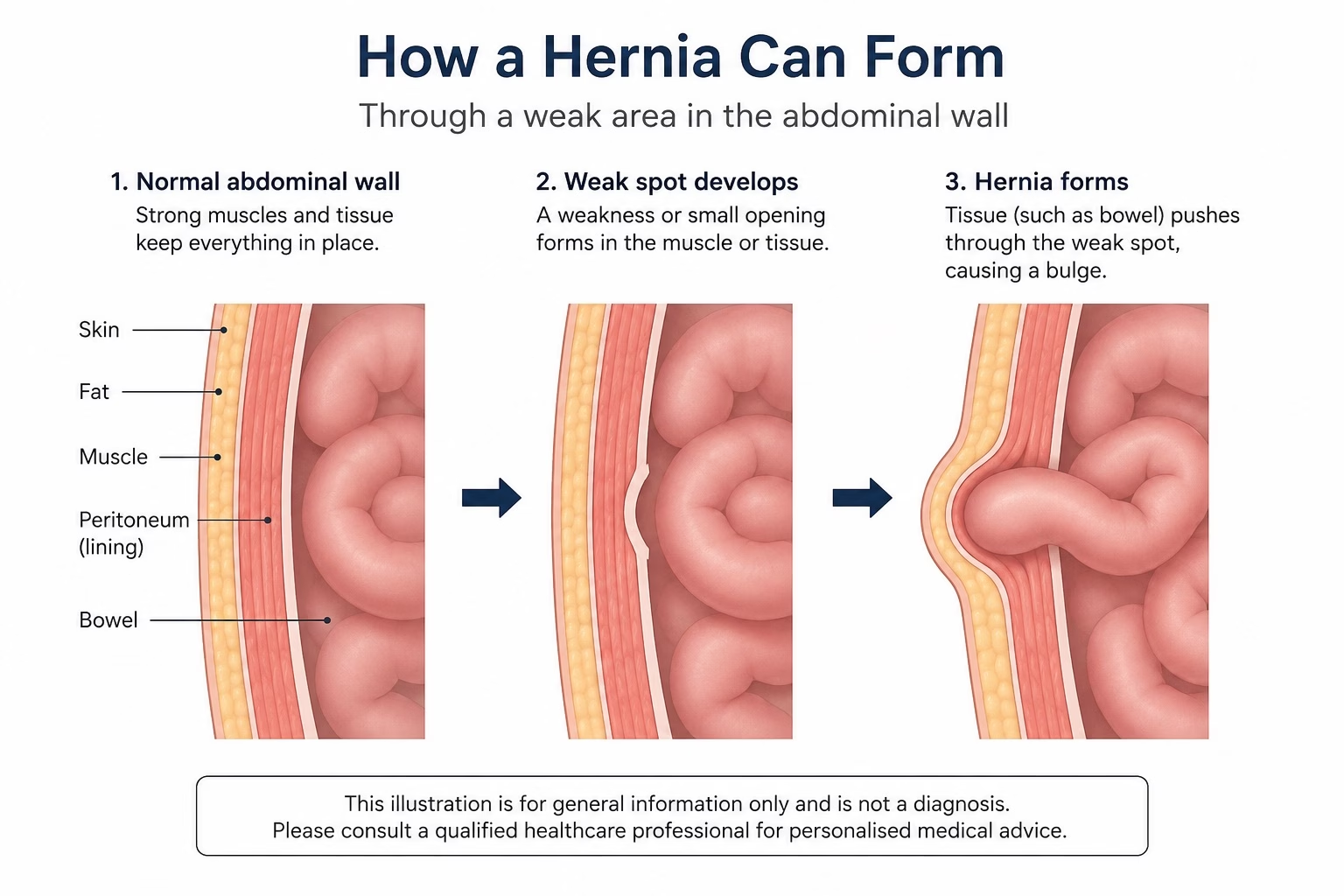
A hernia is a weakness or opening in the muscle or connective tissue layer that normally keeps the contents of the abdomen in place. It may appear as a lump in the groin, around the belly button, or along a previous surgical scar. Some people notice it only when coughing, lifting, straining or standing for a long time. Others feel a dull ache, dragging sensation or pressure at the end of the day.
This article is designed for people who have been told they have a hernia, suspect they have one, or have been putting off a referral because the symptoms seem manageable. It explains what can happen if you ignore a hernia, when watchful waiting may be reasonable, which symptoms should not be ignored, and how Upper Edge Surgery approaches hernia assessment and repair.
A hernia usually does not disappear by itself
The most important starting point is simple: in adults, a true hernia usually does not close over with time. Muscle weakness can be supported by activity modification, weight management and avoiding heavy strain, but those measures do not make the defect disappear. The lump may seem smaller when you lie down because the contents slide back inside, but the underlying weakness remains.
This matters because many people assume that if the pain settles, the hernia has healed. Often what has changed is the amount of pressure on the hernia, not the hernia itself. A quiet hernia can still enlarge over months or years, particularly with heavy lifting, chronic cough, constipation, prostate symptoms causing straining, pregnancy history, or previous abdominal surgery.
Watchful waiting can be reasonable in selected people
Not every hernia needs immediate surgery. Some small, soft, minimally symptomatic hernias can be monitored, especially when the patient has other health priorities or the hernia is not limiting daily activity. Watchful waiting should still be an active decision, not passive avoidance. It works best when you understand the warning signs, know what activities aggravate the hernia, and have a plan for review if symptoms change.
A specialist assessment can help clarify the type of hernia, whether imaging is needed, and whether surgery is likely to become beneficial. At the consultation, the discussion is not simply “operation or no operation.” It is about timing, risk, lifestyle, work demands, recovery goals and whether an open, laparoscopic or robotic-assisted approach may suit your anatomy.
The common problem is gradual enlargement
The most common issue with ignoring a hernia is not a dramatic emergency; it is slow progression. The bulge becomes easier to see, appears more often, takes longer to settle, or starts to interfere with exercise, work or sleep. Some people stop lifting weights, avoid gardening, reduce sport or feel anxious every time they cough. That quality-of-life effect is easy to normalise until the person realises they have quietly changed their life around the hernia.
Larger hernias can also be more complex to repair. The tissue may stretch, the muscles may pull further apart, and there may be more pressure on the repair. That does not mean a large hernia cannot be fixed, but it can change the planning, imaging, recovery expectations and the need for mesh reinforcement or abdominal wall reconstruction techniques.
The serious concern is incarceration or strangulation
A hernia becomes more concerning when the tissue that pushes through becomes stuck. This is often called incarceration. If the blood supply to trapped tissue is compromised, it can become strangulated. That is a surgical emergency. The warning signs include a hard tender lump, sudden severe pain, redness over the lump, vomiting, abdominal distension, inability to pass wind or open the bowels, fever, or feeling very unwell.
Authoritative Australian patient resources such as Healthdirect explain that trapped or strangulated hernia contents can require emergency treatment. In practice, the message is straightforward: a hernia that changes character suddenly should not be observed at home. It needs urgent assessment. Elective hernia care is planned and controlled; emergency hernia care happens under pressure, often when the patient is unwell.
Considering a specialist opinion?
Dr Goutham Sivasuthan offers individualised assessment across Brisbane, Redland, Moreton Bay and Logan.
Make an appointment →Different hernias behave differently
Groin hernias are common and include inguinal and femoral hernias. Femoral hernias are less common but can be more concerning because they have a narrower neck and may be more prone to trapping. Belly-button hernias, incisional hernias and ventral abdominal wall hernias have different repair considerations. Dr Goutham assesses inguinal hernias, femoral hernias, umbilical hernias, incisional hernias and other abdominal wall hernias; hiatus hernias are assessed and referred onward for specialist repair where required.
This is why “my friend ignored his hernia for years” is not a reliable guide. A small reducible inguinal hernia, a femoral hernia, a recurrent hernia after prior surgery, and a large incisional hernia along a laparotomy scar are not the same problem. The safest advice depends on the hernia type, symptoms, examination findings, health background and patient goals.
What your GP or surgeon will usually assess
A hernia assessment begins with the story: when the lump appeared, what brings it out, whether it reduces when lying down, whether there is pain, and whether there are bowel or urinary symptoms. Examination is often enough for a straightforward groin or umbilical hernia. Ultrasound may help if the lump is intermittent or uncertain. CT can be useful for complex, recurrent or incisional hernias, especially when planning abdominal wall repair.
The goal is to answer practical questions: is this definitely a hernia, what type is it, does it need repair, what technique is suitable, what recovery time is realistic, and what would happen if it is watched instead? Patients can then compare monitoring, planned hernia repair, and timing around work, travel, sport and family responsibilities.
How to reduce risk while waiting for review
While waiting for assessment, avoid deliberately provoking the hernia. Heavy straining, breath-holding lifts, severe constipation and chronic cough can increase abdominal pressure. Gentle walking is usually helpful. Treat constipation early, use sensible lifting technique, and discuss persistent cough or urinary straining with your GP. A hernia belt or truss may give temporary support for selected people, but it is not a cure and should not delay review if symptoms are worsening.
A useful rule is to track change. If the lump is appearing more frequently, becoming painful, harder to reduce, limiting your normal activities or causing anxiety, it is time for a proper review. A planned consultation does not commit you to surgery; it gives you information before the hernia makes the decision for you.
What to do next if you are in Brisbane
If you suspect a hernia, ask your GP for a referral and consider booking a dedicated hernia consultation. Upper Edge Surgery sees patients across Brisbane, Redland, Moreton Bay and Logan and offers individualised planning for groin hernia, abdominal wall hernia and recurrent hernia presentations. The consultation is designed to give you a clear explanation of your options rather than pushing you into a decision on the spot.
If repair is recommended, the approach may be open, laparoscopic or robotic-assisted depending on the hernia and patient factors. Many patients are not afraid of the operation itself; they are trying to understand time off work, lifting restrictions and return to exercise. Our guide to the hernia recovery timeline covers exactly that.
When to seek urgent medical attention
Do not wait for an outpatient appointment if you have severe or rapidly worsening pain, persistent vomiting, fainting, a hard tender lump that will not reduce, fever, jaundice, black stools, large-volume bleeding, chest pain, shortness of breath, or symptoms that feel unsafe to you. In those situations, attend the closest emergency department or call emergency services.
Brisbane patient pathway
For non-urgent symptoms, the usual pathway is to see your GP first, arrange appropriate blood tests or imaging if needed, then obtain a referral for specialist assessment. At Upper Edge Surgery, Dr Goutham Sivasuthan reviews the history, examines the relevant area where appropriate, explains likely causes in plain language, and outlines the options. Patients can make an appointment online or call the rooms if they already have a referral.
If your hernia is new, enlarging or affecting what you can do, book a review through Upper Edge Surgery appointments or speak with your GP about referral. The earlier conversation is often the calmer one.
Frequently asked questions
Can a hernia heal itself?
In adults, a true hernia usually does not heal itself. Symptoms can fluctuate, but the underlying defect generally remains. A surgeon can advise whether monitoring or repair is more appropriate.
How long can I leave a hernia untreated?
There is no safe universal timeframe. Some hernias can be observed for months or longer, while others deserve earlier repair. The decision depends on the type, size, symptoms, reducibility and your overall health.
What symptoms mean I should go to hospital?
Sudden severe pain, a hard tender lump that will not reduce, vomiting, abdominal swelling, fever, redness over the lump or feeling very unwell should be treated as urgent.
Will I definitely need mesh?
Many adult hernia repairs use mesh reinforcement, especially groin and abdominal wall repairs. The need for mesh, its position and the technique are discussed during the surgical planning appointment.
Related reading
See Dr Goutham Sivasuthan, Specialist Surgeon
Clear, unhurried advice about your options — no pressure to proceed.
Make an appointment →Call (07) 3333 5518This article is general information for patients in Brisbane, Redland, Moreton Bay and Logan. It does not replace advice from your GP, surgeon or emergency department. If symptoms are severe, sudden or worsening, seek urgent medical care rather than waiting for a routine appointment.