
What to Expect After Gallbladder Surgery — Brisbane
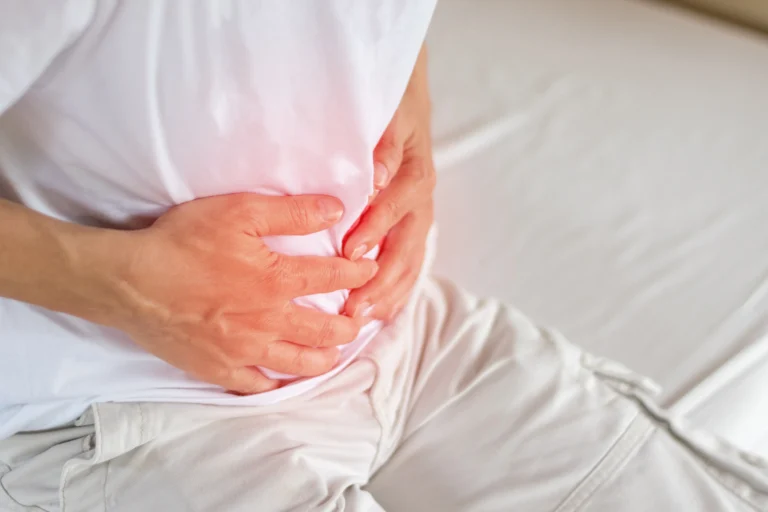
TL;DR. Laparoscopic (keyhole) gallbladder removal is one of the most common day-surgery operations in Australia. Most patients walk within 1–2 hours of waking, are discharged 4–6 hours after surgery, return to a normal diet within 1–2 weeks, and feel back to themselves at about 2 weeks. This page sets out what to expect, week by week, under the care of Dr Goutham Sivasuthan — an Australian-trained, AHPRA-registered general and endoscopic surgeon in Brisbane and surrounds. It also lists the red-flag symptoms (fever, jaundice, severe pain) that mean you should call earlier.
This is general guidance. Your recovery may differ depending on whether the operation was keyhole or open, whether the gallbladder was severely inflamed, and your overall health. Always follow the specific instructions given to you by Dr Goutham and the hospital team.
Table of Contents
Recovery That Goes to Plan
You wake up in the recovery bay where the team monitors your blood pressure, oxygen, pain, and wound sites. Most patients are sitting up and walking within 1–2 hours of waking.
- You’ll feel groggy from the general anaesthetic for a few hours — this is normal.
- Pain is usually mild to moderate around the four small keyhole incisions.
- Shoulder-tip ache is common after laparoscopic surgery — it is referred pain from the gas used to inflate the abdomen and settles within 24–48 hours.
- A sore throat from the breathing tube is common and short-lived.
Immediately After Surgery
Most patients are discharged 4–6 hours after laparoscopic cholecystectomy. You can usually go home once you are:
- Awake, walking, and able to pass urine
- Tolerating fluids and a light snack
- Pain is controlled on oral analgesia
- Accompanied home by a responsible adult (not driving for at least 24 hours)
If your gallbladder was severely inflamed, your surgery was converted to open, or you have other health conditions, Dr Goutham may recommend an overnight stay. This is discussed in advance where possible.
Going Home
Discomfort usually settles within 5–14 days. Pain is typically described as a dull ache at the incision sites, plus a transient shoulder-tip ache for the first day or two. Tips:
- Take paracetamol regularly for the first few days, with anti-inflammatories if recommended.
- Stronger painkillers are usually only needed for the first 24–48 hours.
- Walking, peppermint tea, and gentle movement help disperse the residual gas faster.
- Bruising around the incisions is normal and settles over 1–2 weeks.
Pain and Discomfort
Wound care after laparoscopic gallbladder removal is straightforward.
- Four small keyhole incisions (5–10 mm) are typically used.
- Dressings can usually be removed after 5 days.
- Steri-strips are often left in place for 7–10 days, then peeled off.
- Showering is usually allowed from day 1 with the original dressings in place.
- Avoid soaking the wounds (bath, pool, spa) until 2 weeks post-op.
- Keep wounds clean and dry between showers.
Wound Care
You do not need a special diet long-term after gallbladder removal — the liver continues to make bile, which drips directly into the small intestine. Most patients are back to a normal diet within 1–2 weeks.
- Day 0–2: light, low-fat foods (toast, soup, plain rice, lean protein) as nausea settles.
- Day 3–7: gradually reintroduce richer foods, paying attention to how your gut responds.
- Week 2 onward: most patients tolerate a normal diet. A minority experience looser stools or mild bloating after very fatty meals for the first few weeks — this typically improves.
- Stay well hydrated. Constipation in the first week is common, especially if you are taking strong painkillers.
Diet After Gallbladder Removal
Gentle movement speeds recovery after gallbladder surgery. Typical milestones:
- Walking — day of surgery. Short walks around the house from the same day.
- Driving — 2–4 days (provided you are off strong pain medication and can perform an emergency stop without discomfort).
- Desk-based work — 3–7 days.
- Light exercise — within days. Walking, gentle stretching.
- Gym + 10 kg lifting — 2 weeks.
- Heavy lifting and contact sport — up to 4 weeks.
Activity, Exercise, and Return to Work
Most patients feel back to themselves at about 2 weeks. Full internal healing takes 4–6 weeks. A routine post-operative follow-up with Dr Goutham is arranged 2–4 weeks after surgery to:
- Check the wounds and reassure on healing
- Discuss the histopathology if the gallbladder was sent for analysis
- Confirm return-to-activity timelines
- Answer any questions that have come up
- Plan any further care if needed (rare after routine cholecystectomy)
Full Recovery and Follow-Up
Call Dr Goutham’s rooms or the operating hospital immediately — or attend the nearest emergency department — if you experience:
- Fever above 38°C
- Yellowing of the skin or eyes (jaundice) or dark urine
- Severe or worsening abdominal pain (especially right upper quadrant)
- Persistent nausea or vomiting, or inability to keep fluids down
- Increasing redness, swelling, or discharge from the wounds
- Pale, putty-coloured stools
- Chest pain, shortness of breath, or sudden calf swelling