
HERNIA CARE
Do All Hernias Need Surgery?
Quick answer: No, not every hernia needs immediate surgery. Some small, soft, reducible and minimally symptomatic hernias can be monitored for a time. However, most adult hernias do not heal by themselves, and surgery becomes more relevant when the hernia is painful, enlarging, limiting activity, recurrent or higher risk. A planned hernia assessment in Brisbane helps decide the safest timing.
A hernia diagnosis often creates a mental fork in the road: do I need an operation, or can I leave it alone? Patients may receive different opinions from friends, family and online forums. Some people are told to avoid surgery unless absolutely necessary. Others are warned that every hernia is a ticking time bomb. The reality sits between those extremes.
This article explains when watchful waiting may be reasonable, when repair is more strongly recommended, and why the decision should be individualised to the hernia type, symptoms, lifestyle and medical background.
Key takeaways
- Adult hernias rarely heal spontaneously.
- Watchful waiting: who may suit it.
- When surgery becomes more likely.
- Different types of hernia, different decisions.
Adult hernias rarely heal spontaneously
A hernia is a physical defect or weakness. In adults, that defect usually does not close by itself. Symptoms can settle, the lump can reduce when lying down, and lifestyle changes can decrease pressure on the hernia, but the underlying opening generally remains. That is why hernia management is about risk, symptoms and timing rather than waiting for the body to “repair” it.
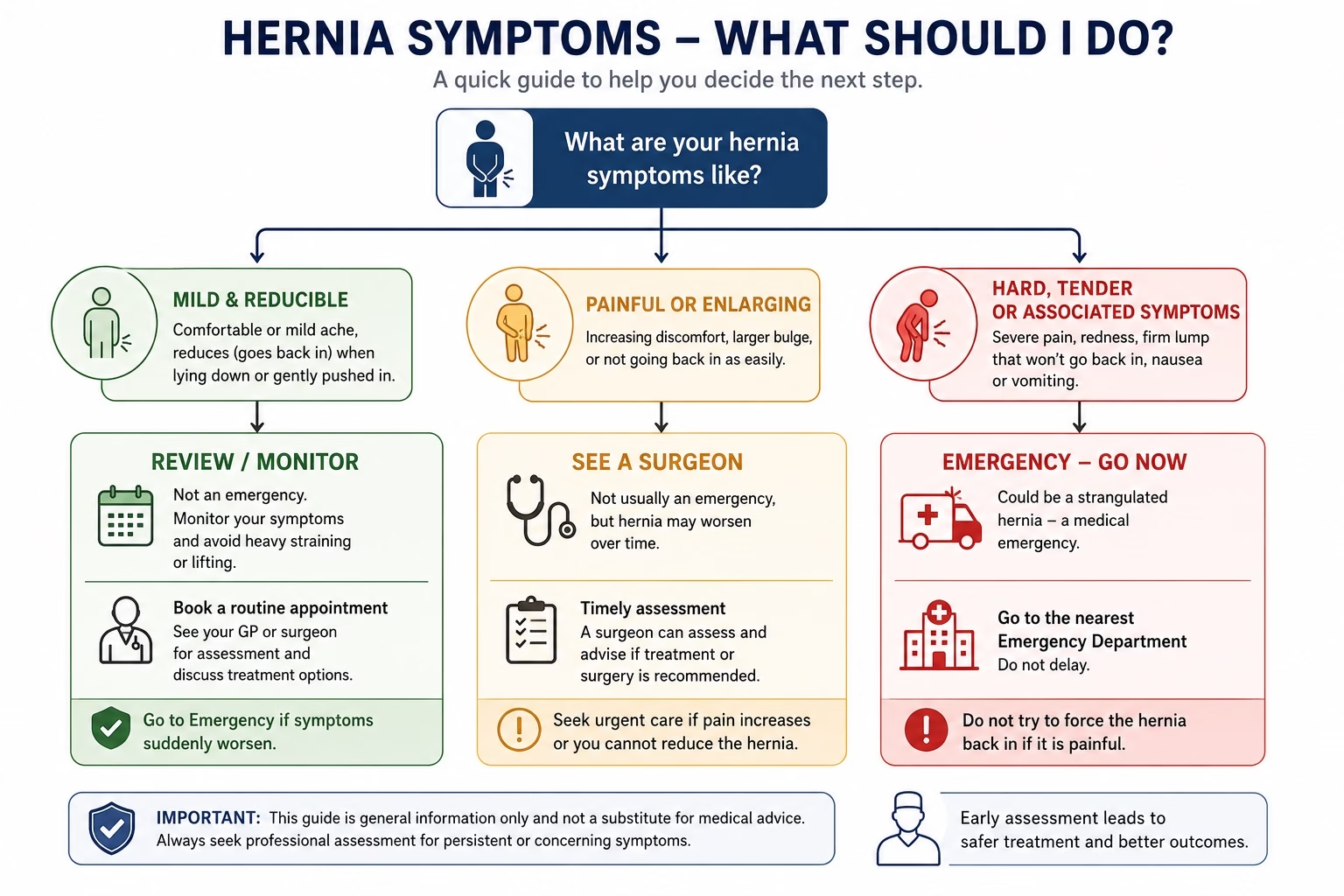
This does not mean surgery is always urgent. It means the decision to monitor should be informed. If you choose watchful waiting, you should know what changes would prompt review and what symptoms require emergency care.
Watchful waiting: who may suit it?
Watchful waiting may suit a person with a small, soft, reducible hernia that causes little or no discomfort and is not affecting work, exercise or daily life. It may also be considered when medical conditions make surgery less attractive or when a patient needs time to optimise health before repair. Monitoring should include a plan for reassessment if symptoms change.
The phrase “watchful waiting” is important. It is not the same as ignoring the hernia. It means you and your doctor have decided that immediate repair is not necessary, and you know what to watch for. You may still need advice about lifting, constipation, cough management, travel and what to do if the lump becomes painful.
When surgery becomes more likely
Surgery becomes more relevant when a hernia is painful, enlarging, difficult to reduce, interfering with work or exercise, or causing anxiety. It is also more likely when the hernia type has a higher trapping risk, such as many femoral hernias, or when the hernia is recurrent or related to a previous abdominal incision.
A planned repair allows time to choose the most suitable approach, organise the hospital, manage medications, optimise diabetes or weight if needed, and plan recovery. Upper Edge Surgery provides hernia surgery options tailored to the type of hernia and the patient’s goals.
Different types of hernia, different decisions
An inguinal hernia in the groin, a femoral hernia, a belly-button hernia and an incisional or abdominal wall hernia are different problems. Size, location, symptoms, reducibility, previous surgery and patient factors all influence timing. A small umbilical hernia may be simple; a recurrent incisional hernia can require detailed imaging and planning.
Hiatus hernias are assessed by Dr Goutham. He does not perform hiatal (paraoesophageal) or parastomal hernia repair and coordinates onward upper-GI specialist care when surgery is indicated.
Considering a specialist opinion?
Dr Goutham Sivasuthan offers individualised assessment across Brisbane, Redland, Moreton Bay and Logan.
Make an appointment →Call (07) 3333 5518 · enquiry@upperedgesurgery.com.au
Open, keyhole and robotic-assisted repair
The technique depends on the hernia and the person. Open repair may be the best choice for some hernias. Laparoscopic or robotic-assisted repair may suit others, particularly selected groin, bilateral, recurrent or abdominal wall hernias. The best operation is not always the newest operation; it is the operation that fits the anatomy and risk profile.
A good consultation explains the rationale. Patients should understand incision sites, mesh position if used, expected pain, time off work, lifting restrictions, recurrence risk factors and what follow-up looks like. Shared decision-making is especially important when symptoms are mild and surgery is elective.
Can exercise fix a hernia?
Exercise can strengthen surrounding muscles, improve general health and support recovery, but it cannot close a true hernia defect. Core strengthening may help symptoms for some patients, while heavy straining can worsen discomfort. The safe exercise plan depends on the hernia and the activity. Walking is usually sensible; maximal lifts and breath-holding may aggravate symptoms.
Patients who want to keep training should not feel embarrassed to raise this in consultation. The goal is not to ban activity forever; it is to manage risk before and after repair, and to set realistic expectations about return to gym, sport or manual work.
The cost and recovery questions matter
Many patients delay repair because they do not know what it will cost or how long they will be off work. Linking this article to hernia surgery costs and the hernia recovery timeline is valuable because decision-stage patients are often trying to solve practical barriers, not just medical uncertainty.
A transparent quote, hospital planning and clear recovery instructions can make the decision feel less overwhelming. If the right answer is to monitor, that should also be communicated clearly and documented for the GP.
How to decide what is right for you
The decision should consider symptoms, hernia type, job demands, training goals, family responsibilities, travel plans, medical conditions and personal risk tolerance. A patient with a painful groin hernia who lifts at work has a different decision from a retired patient with a tiny asymptomatic umbilical hernia found incidentally.
Bring your questions to the appointment. Ask what type of hernia you have, whether it is safe to monitor, what would change the recommendation, which technique is best, and what recovery looks like. A consultation with Dr Goutham Sivasuthan is designed to make that decision practical and understandable.
When to seek urgent medical attention
Do not wait for an outpatient appointment if you have severe or rapidly worsening pain, persistent vomiting, fainting, a hard tender lump that will not reduce, fever, jaundice, black stools, large-volume bleeding, chest pain, shortness of breath, or symptoms that feel unsafe to you. In those situations, attend the closest emergency department or call emergency services.
Brisbane patient pathway
For non-urgent symptoms, the usual pathway is to see your GP first, arrange appropriate blood tests or imaging if needed, then obtain a referral for specialist assessment. At Upper Edge Surgery, Dr Goutham Sivasuthan reviews the history, examines the relevant area where appropriate, explains likely causes in plain language, and outlines the options. Patients can make an appointment online or call the rooms if they already have a referral.
If you have a hernia and are unsure whether to monitor or repair it, book a review or ask your GP for referral. Clear advice now can prevent rushed decisions later.
Optimising before hernia repair
When surgery is planned rather than urgent, there is often time to improve the conditions for healing. This may include stopping smoking, improving diabetes control, treating constipation, addressing chronic cough, reviewing weight, strengthening general fitness and planning leave from work. For larger abdominal wall hernias, pre-operative optimisation can be a major part of the treatment rather than an afterthought. It may reduce wound problems and make recovery smoother.
This preparation phase is another argument for early assessment. Seeing a surgeon does not mean operating tomorrow. It may mean building a plan over weeks or months so that, if repair is chosen, it happens under better circumstances. Patients who delay until pain is severe may lose that chance to optimise and may feel forced into a rushed decision.
Frequently asked questions
Can I live with a hernia?
Some people can live with a small, reducible, minimally symptomatic hernia under watchful waiting. The plan should be reviewed if symptoms change.
Can exercise fix a hernia?
Exercise cannot close a true adult hernia, although it may improve general conditioning and symptoms in selected cases.
When is hernia surgery recommended?
Repair is more likely when the hernia is painful, enlarging, difficult to reduce, limiting activity, recurrent or higher risk.
What is watchful waiting?
It means actively monitoring a hernia with clear safety advice and a plan for review, rather than ignoring it.
Related reading
Hernia surgery in BrisbaneIndividualised planning for every hernia type. What happens if I ignore a hernia?The risks of leaving a hernia unassessed. What causes a lump in the groin?Identifying a hernia versus other lumps. Inguinal hernia repairGroin hernia repair options.Book your consultation
See Dr Goutham Sivasuthan, Specialist Surgeon
Clear, unhurried advice about your options — no pressure to proceed.
★ 5.0 on Google · AHPRA MED0002000354 · Brisbane · Redland · Moreton Bay · Logan
This article is general information for patients in Brisbane, Redland, Moreton Bay and Logan. It does not replace advice from your GP, surgeon or emergency department. If symptoms are severe, sudden or worsening, seek urgent medical care rather than waiting for a routine appointment.