
Gallbladder health
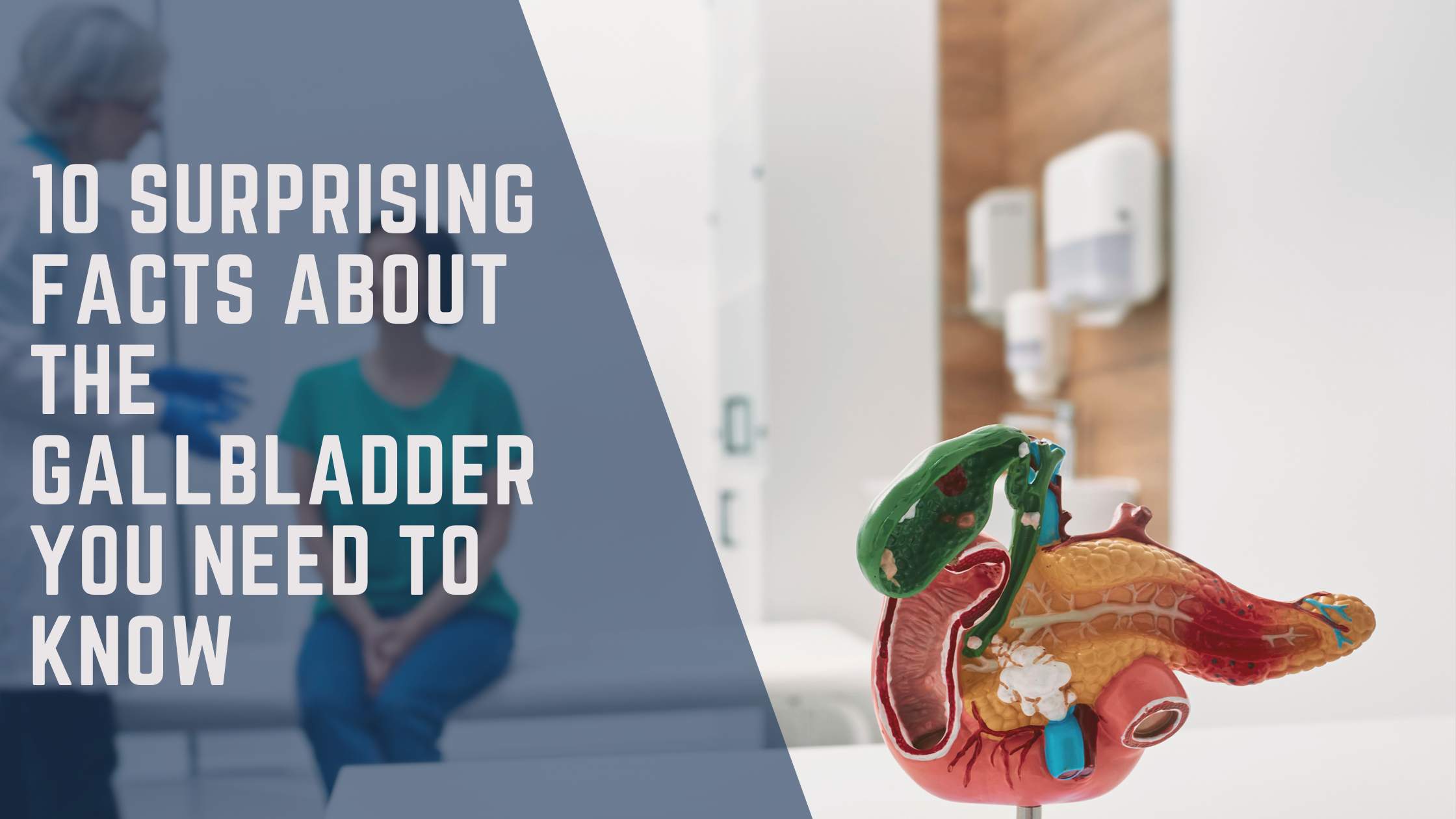
10 Surprising Facts About the Gallbladder You Need to Know
Gallstones or gallbladder pain?
Dr Goutham Sivasuthan is a specialist upper-GI surgeon. Consultations are available in person or by telehealth, with known-gap fees for insured patients.
The gallbladder is a small organ with a big role in digestion. While it doesn’t get as much attention as the heart or liver, the gallbladder is essential for breaking down fats and ensuring smooth digestion. Unfortunately, many people only learn about their gallbladder when something goes wrong, usually in the context of pain - either from stones or inflammation.
Dr. Goutham and his expert team at Upper Edge Surgery specialise in gallbladder health, offering advanced treatments and surgical options for gallbladder-related conditions. Whether you’re experiencing symptoms or just curious about this fascinating organ, here are 10 surprising facts about the gallbladder that you probably didn’t
Pain lasting more than a few hours, or pain with fever, chills or yellowing of the skin or eyes, needs urgent assessment — these can signal infection (cholecystitis), a blocked bile duct or pancreatitis.
1. The Gallbladder Is the Body’s Fat-Processing Assistant
Your gallbladder plays a crucial role in fat digestion by storing and releasing bile, a digestive fluid produced by the liver. When you eat fatty foods, your gallbladder contracts and sends bile into the small bowel to help break down fats into absorbable nutrients.
Without a gallbladder, bile flows directly from the liver to the small intestine, but this can sometimes lead to difficulty digesting high-fat meals.
2. You Can Live Without a Gallbladder
Unlike the liver, heart, or kidneys, the gallbladder is not an essential organ. If you develop gallstones, inflammation (whether that's acute or chronic), or other gallbladder diseases, a cholecystectomy (gallbladder removal surgery) may be necessary.
After surgery, bile still reaches the intestines, but instead of being stored, it continuously drips into the digestive tract. Most people adjust well after surgery, though some may need to modify their diet to prevent digestive discomfort.
3. Gallstones Can Be as Small as a Grain of Sand or as Large as a Golf Ball
Need a surgical opinion?
See Dr Goutham Sivasuthan — general & upper-GI surgeon in Brisbane. Known-gap fees for insured patients.
Request an appointment →Gallstones are hardened deposits of bile components such as cholesterol and bilirubin. They can vary in size, from tiny grains that cause no symptoms to massive stones that block bile flow, leading to severe pain and complications.
Symptoms of problematic gallstones include:
Severe upper abdominal pain (especially focused on the right side)
Nausea and vomiting
Pain after eating fatty foods
Jaundice (yellowing of the skin and eyes)
If you experience these symptoms, consult Dr. Goutham at Upper Edge Surgery for expert evaluation and treatment options.

4. Being Overweight or Losing Weight Too Fast Increases Gallstone Risk
Obesity is a known risk factor for gallstones because excess body weight can lead to higher cholesterol levels in bile. However, rapid weight loss can also increase gallstone formation. When you lose weight quickly, your liver releases extra cholesterol into the bile, which can form stones.
For a healthier gallbladder, aim for gradual weight loss through a balanced diet and regular exercise.
5. Women Are More Likely to Develop Gallstones
Studies show that women are twice as likely as men to develop gallstones. This is because oestrogen increases cholesterol levels in bile, which in turn makes forming stones a more likely event.
Risk factors specific to women include:
Pregnancy (hormonal changes affect bile composition)
Birth control pills (specifically those that increase oestrogen levels)
Hormone replacement therapy (especially during menopause)
If you’re at high risk, a healthy diet and lifestyle changes can help reduce the risk of gallbladder issues.
6. Certain Foods Can Help Prevent Gallbladder Problems
While genetics and hormones play a role in gallstone formation, diet is a key factor in maintaining gallbladder health. Foods that promote a healthy gallbladder include:
High-fibre foods (whole grains, vegetables, fruits)
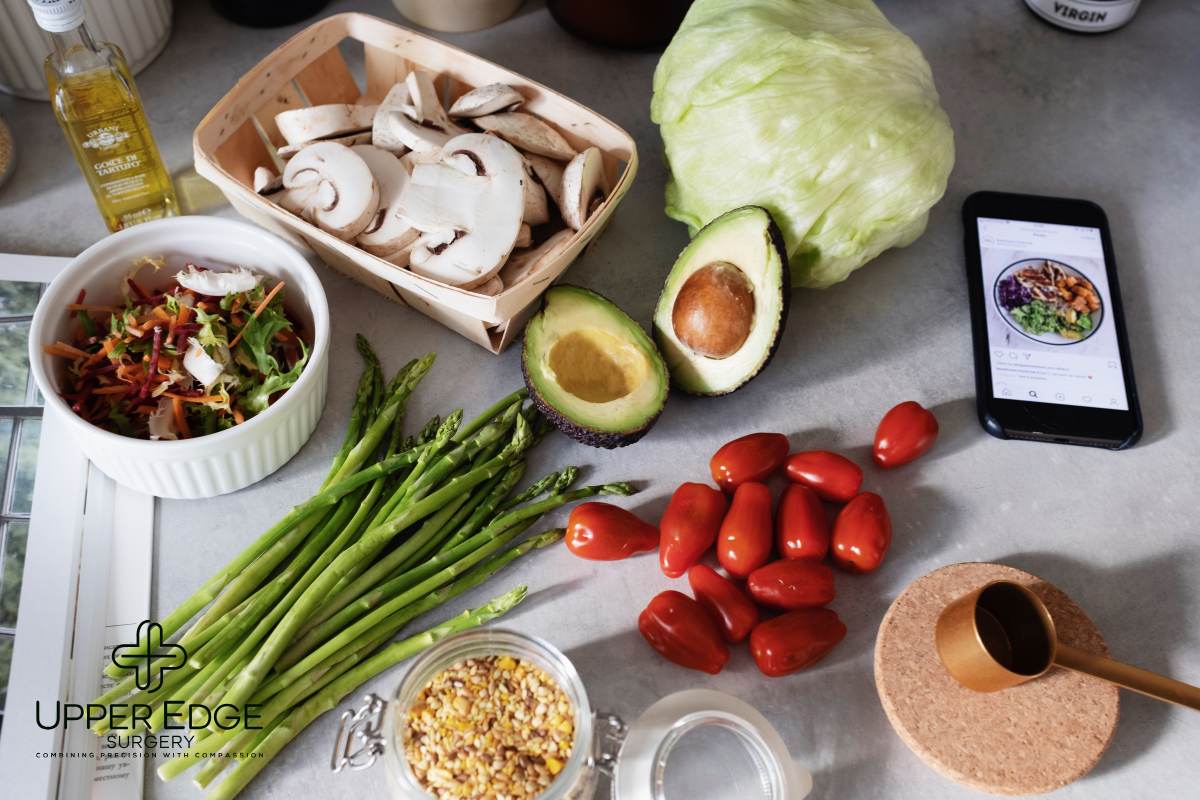
Healthy fats (olive oil, avocado, nuts) - not all fats are evil!
Lean proteins (fish, chicken, legumes)
Hydrating fluids (water, herbal teas)
On the other hand, fried, fatty, and processed foods can contribute to gallstone formation and inflammation.
7. A “Gallbladder Attack” Can Mimic a Heart Attack
A gallbladder attack (also called biliary or gallbladder colic) occurs when a gallstone blocks the bile duct, leading to intense pain in the right upper abdomen or even in the chest and through to the back. Many people mistake this pain for a heart attack because the symptoms can be similar, including:
Severe chest pain
Pain radiating to the shoulder or back
Nausea and sweating
If you’re experiencing these symptoms, seek medical attention immediately to determine the cause.
8. Gallbladder Disease Can Lead to Pancreatitis
Gallstone pancreatitis happens when a stone slips out of the gallbladder and blocks the duct it shares with the pancreas, inflaming the pancreas itself. This is a different picture from ordinary gallstone pain — it can trigger life-threatening pancreatitis needing urgent treatment, not a routine appointment.
9. Gallbladder Cancer Is Rare but Serious
Gallbladder cancer is uncommon, and it’s sometimes found only incidentally — picked up when a gallbladder is removed for ordinary gallstone disease. Its early symptoms can closely resemble everyday gallstone symptoms, so any gallbladder symptoms that persist or change are worth having assessed by a specialist surgeon rather than assumed to be routine gallstones.
10. Laparoscopic Surgery Is the Most Common and Effective Gallbladder Removal Method
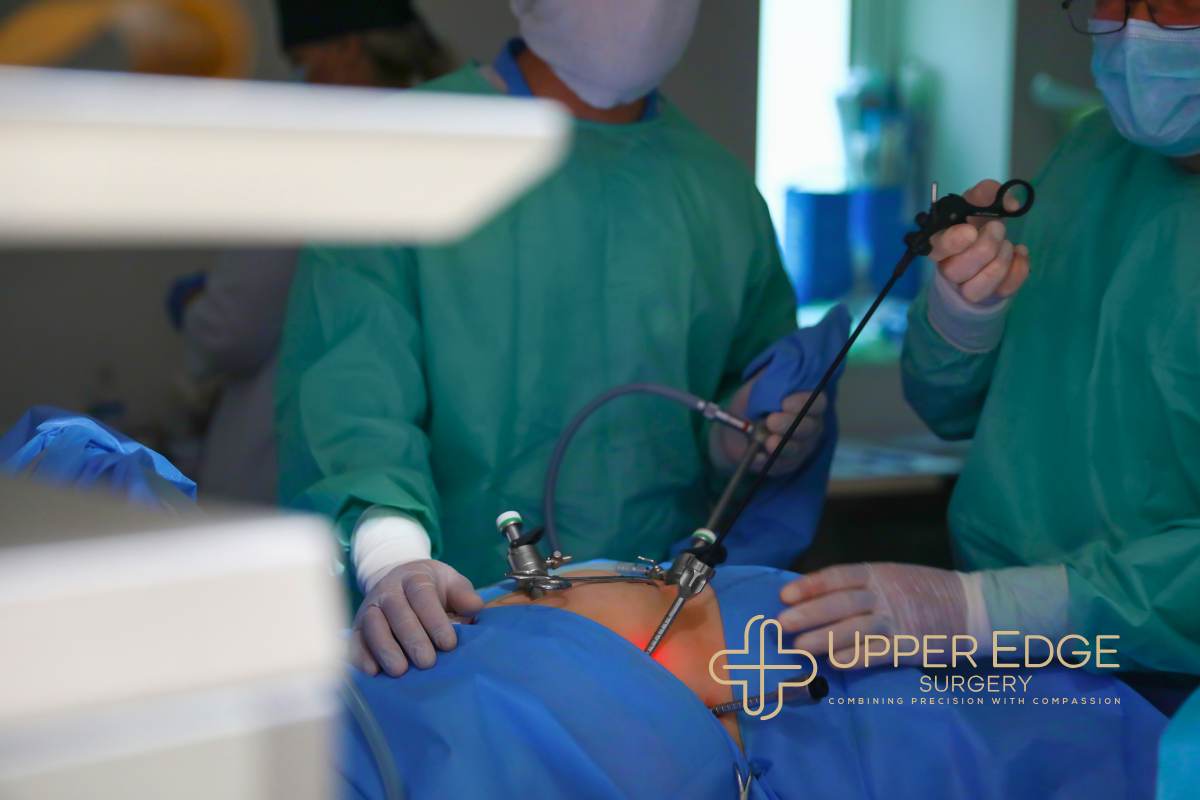
Most gallbladder removal surgeries (cholecystectomies) are performed laparoscopically, meaning small incisions are made, and a tiny camera guides the surgeon during the procedure. Laparoscopic cholecystectomy offers many benefits, including:
Minimal scarring
Shorter recovery time
Less pain compared to open surgery
Faster return to normal activities
At Upper Edge Surgery, Dr. Goutham specialises in minimally invasive gallbladder surgery, helping patients recover quickly with fewer complications.
Frequently asked questions
What are the symptoms of gallstones?
Common gallstone symptoms include:
- Severe pain in the upper right abdomen (biliary colic)
- Nausea and vomiting
- Bloating and indigestion
- Pain after eating fatty foods
- Jaundice (yellowing of skin/eyes) if a stone blocks the bile duct`
When is gallbladder surgery necessary?
Gallbladder removal surgery (cholecystectomy) is recommended if:
- You have frequent gallstone attacks
- Gallstones cause complications (e.g., cholecystitis, pancreatitis, or bile duct blockage)
- Non-surgical treatments (like medication or diet changes) fail
How long is recovery after gallbladder removal?
Most patients recover within 1-2 weeks after laparoscopic gallbladder surgery. Open surgery may require 4-6 weeks. You can usually resume normal activities quickly but should avoid heavy lifting initially.
Are there non-surgical treatments for gallstones?
In rare cases, medications (ursodeoxycholic acid) can dissolve small cholesterol gallstones, but they often take months/years and aren’t always effective. Surgery is the most reliable solution.
What are the risks of untreated gallstones?
Ignoring gallbladder problems can lead to:
- Acute cholecystitis (infected/inflamed gallbladder)
- Pancreatitis (if a stone blocks the pancreatic duct)
- Jaundice or bile duct infections
How do I know if my abdominal pain is from gallstones?
If you experience sudden, intense pain in the upper right abdomen, especially after meals, consult Dr Goutham Sivasuthan or your GP. An ultrasound can often confirm gallbladder disease.
When to See a Gallbladder Specialist
If you experience persistent abdominal pain, nausea, or digestive issues after meals, it’s time to consult a specialist. Dr. Goutham and his team at Upper Edge Surgery provide expert diagnosis and treatment for gallbladder conditions, including gallstones, cholecystitis, and post-surgical digestive adjustments.
Why Choose Upper Edge Surgery?
Experienced & Skilled Surgeon in Brisbane: Dr. Goutham is an expert in laparoscopic gallbladder surgery.
Advanced Minimally Invasive Techniques: Faster recovery and minimal pain.
Comprehensive Patient Care: Personalised treatment plans for the best outcomes.
Don’t ignore gallbladder pain—early intervention can prevent complications. Book a consultation with Dr. Goutham today at Upper Edge Surgery!
Related reading
Do you need your gallbladder removed?Polyps, symptoms and the facts. Day surgery in BrisbaneHow same-day procedures work. Hernia surgery: what to expectExpert insights from Dr Goutham.Upper Edge Surgery
Ready to take the next step?
Dr Goutham Sivasuthan — known-gap fees for insured patients, no pressure to book. Or send your enquiry using the form below ↓
★ 5.0 on Google · AHPRA MED0002000354 · Brisbane · Redland · Moreton Bay · Logan
(07) 3333 5518 · enquiry@upperedgesurgery.com.au · Dr Goutham’s bio
General information, not personal medical advice. Dr Goutham Sivasuthan — AHPRA MED0002000354.
Send an enquiry
Or send your enquiry using the form below.