
Gallbladder & biliary surgery
Gallbladder Polyps: Understanding, Diagnosis, and Treatment with a Surgeon in Brisbane
Gallstones or gallbladder pain?
Dr Goutham Sivasuthan is a specialist upper-GI surgeon. Consultations are available in person or by telehealth, with known-gap fees for insured patients.
When people undergo an abdominal ultrasound for indigestion, abdominal pain, or suspected gallstones, they are sometimes surprised to learn they have a gallbladder polyp. While the word “polyp” can sound worrying, not all gallbladder polyps are dangerous. Some are harmless cholesterol deposits, while others may represent early signs of cancer.
If you’ve been diagnosed with a gallbladder polyp, it’s important to understand what it means, how it’s assessed, and when to see a specialist surgeon in Brisbane like Dr Goutham Sivasuthan for expert management.
What is a Gallbladder Polyp?
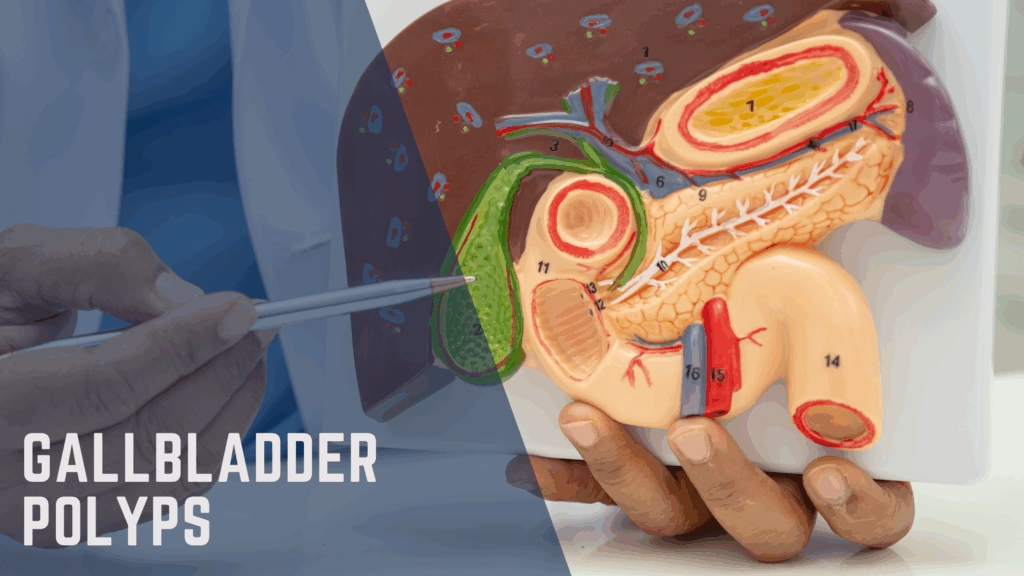
A gallbladder polyp is a growth on the inner lining of the gallbladder wall. These growths project into the cavity of the gallbladder, where bile is stored. Polyps can be solitary or multiple, vary in size, and have different causes.
Most gallbladder polyps are benign, but a small proportion may progress to cancer. This is why careful evaluation by a general surgeon in Brisbane is essential to determine whether observation or surgery is the best approach.
Concerned about a gallbladder polyp?
Talk through your options with an Australian-trained general and endoscopic surgeon — no pressure to book.
Make an appointment →How Common Are Gallbladder Polyps?
Occur in 4–7% of the population.
Most are small (<10 mm) and benign.
Polyps ≥10 mm carry a higher risk of malignant transformation.
They are often detected incidentally during ultrasound imaging for unrelated abdominal concerns.
Symptoms of Gallbladder Polyps
Most gallbladder polyps cause no symptoms. If symptoms do occur, they are usually related to associated gallstonesrather than the polyp itself. Symptoms may include:
Upper abdominal pain or discomfort
Nausea or bloating
Fatty food intolerance
If you’re experiencing these, it is important to have a consultation with a surgeon in Brisbane to distinguish between gallstones and other gallbladder pathology.
Differential Diagnoses: What Else Could It Be?
Not all gallbladder lesions are true polyps. On ultrasound, the following can mimic a polyp:
Gallstones adherent to the gallbladder wall
Cholesterol polyps – benign and the most common type
Adenomas – true benign tumours, with malignant potential
Inflammatory polyps – linked to chronic gallbladder inflammation
Adenomyomatosis – benign thickening of the gallbladder wall
Gallbladder carcinoma – rare but critical to rule out
Correct differentiation requires expert review of imaging and, in some cases, further tests.
Risk Factors for Gallbladder Cancer in Polyps
While most polyps are harmless, certain features raise the risk of gallbladder cancer:
Size ≥10 mm
Rapid growth on follow-up scans
Sessile morphology (broad-based, not stalked)
Age >50 years
Associated gallstones
Higher-risk ethnic backgrounds (Indian, East Asian, South American)
If these risk factors are present, early referral to a Brisbane surgeon is strongly recommended.
Investigations
Ultrasound
First-line test
Measures size, shape, and number of polyps
Follow-up ultrasound
Used for polyps <10 mm to monitor growth
CT, MRI, or MRCP
Employed if ultrasound findings are unclear
Management of Gallbladder Polyps
Management depends on polyp size, morphology, symptoms, and risk factors:
Polyps <5 mm:
Usually benign, no surgery required. Follow-up only if risk factors are present.
Polyps 6–9 mm:
May warrant surgery if risk factors exist. Otherwise, follow-up ultrasound at 6 months, then annually for up to 5 years.
Polyps ≥10 mm:
High risk of malignancy. Laparoscopic cholecystectomy (gallbladder removal) is recommended.
What Does Surgery Involve?
If surgery is advised, it is usually performed as a laparoscopic cholecystectomy:
Keyhole surgery with 3–4 small incisions
Performed under general anaesthetic
Usually a day-case or overnight stay
Most patients return to work in 1–2 weeks
Risks are small but include bleeding, infection, bile duct injury (rare), or temporary bowel changes
Dr Goutham is highly experienced in laparoscopic cholecystectomy, ensuring safe, minimally invasive care.
Prognosis
- Most gallbladder polyps are benign.
With appropriate surveillance and surgery where needed, the prognosis is excellent.
Surgery is curative for polyps with malignant potential.
Why You Should See Dr Goutham – Gallbladder Surgeon in Brisbane
Being told you have a gallbladder polyp can be concerning. Here’s why patients choose Dr Goutham Sivasuthan at Upper Edge Surgery:
Expertise in gallbladder surgery – including laparoscopic and robotic techniques
Comprehensive assessment of your ultrasound and risk factors
Personalised management plan – monitoring when safe, surgery when needed
Minimally invasive approach – faster recovery, less pain, and fewer complications
Convenient Brisbane and Redland hospital locations
Compassionate care – clear communication and support throughout your journey
FAQs About Gallbladder Polyps
Do all gallbladder polyps need surgery?
No. Most small polyps can be safely monitored with ultrasound.
Can gallbladder polyps turn into cancer?
Only a small proportion. Risk increases with size (≥10 mm) and certain risk factors.
How are gallbladder polyps found?
Usually incidentally during an ultrasound for other issues.
Is gallbladder surgery safe?
Yes. Laparoscopic cholecystectomy is a routine, safe procedure with excellent outcomes.
Final Thoughts
Gallbladder polyps are a relatively common incidental finding. While most are harmless, some require surgery due to the risk of cancer. Careful assessment by a specialist surgeon in Brisbane is essential to determine the right pathway.
If you have been diagnosed with a gallbladder polyp, book a consultation with Dr Goutham Sivasuthan at Upper Edge Surgery for expert advice, investigation, and management. With tailored care and minimally invasive surgery when needed, you can feel confident that your gallbladder health is in safe hands.
Related: biliary dyskinesia | book an appointment
Open our secure enquiry form →
Continue your research
Trusted information
Independent patient information from Australian health organisations.