
Upper Edge Surgery
Pilonidal Sinus: Symptoms, Causes and When It Needs Surgery
In short
A pilonidal sinus is a small pit or tunnel in the skin near the top of the buttock crease. It can sit quietly for a long time, but pain, swelling, redness or discharge can mean infection and should be checked by a doctor. Treatment may be simple care, drainage of an abscess, or pilonidal sinus surgery for ongoing or repeated problems.
What is a pilonidal sinus?
A pilonidal sinus is a small pit, opening or tunnel in the skin near the top of the buttock crease. This area is also called the natal cleft. The sinus can collect loose hair, sweat and skin debris. For some people it stays small and quiet. For others it becomes irritated or infected.
The word can sound more serious than it feels at first. In plain terms, it is a small track under the skin in an awkward spot. It is not caused by poor hygiene, and it is not something to feel ashamed about. General surgeons see this problem often.
Pilonidal sinus disease is most common in young adults. It can also occur in older adults. General risk factors include having more body hair, sitting for long periods, friction in the buttock crease, and being overweight. These factors do not prove what is causing your symptoms, but they can make the area more likely to trap hair and become inflamed.
It is also worth knowing that the problem sits in skin and soft tissue, not inside the bowel. That distinction can reduce worry for many people. The symptoms are still real and deserve proper care, but the assessment is usually focused on the skin opening, swelling, tenderness and any discharge.
Many people delay asking about it because the location feels private. From the doctor’s side, it is a routine medical problem. Dr Goutham Sivasuthan is a Specialist Endoscopic and Minimally Invasive Surgeon who treats pilonidal sinus disease as part of general surgery. He will usually ask about your symptoms, examine the area respectfully, and talk through the treatment choices that fit your situation.
Early pilonidal sinus symptoms can be mild
Early pilonidal sinus symptoms can be easy to miss. You may notice a tiny dimple, pit or dark spot near the top of the buttock crease. It may not hurt. It may have been there for months or years before you notice it.
Some people only find it after feeling a small lump while washing, shaving or changing clothes. Others notice mild tenderness after long sitting, cycling, gym training or a hot day. There may be a small amount of clear or cloudy fluid on underwear. The area may settle and flare again.
A quiet pit does not always need an operation straight away. If it is not painful, swollen, red or leaking, your doctor may suggest simple measures such as keeping the area clean and dry, reducing hair around the area if appropriate, and watching for change. This is one reason it helps to get checked early: you can understand what it is before it becomes more uncomfortable.
It is still worth seeing a GP or surgeon if you are unsure what the lump or opening is. Other skin and soft tissue problems can occur near the buttock crease, and a proper assessment is better than guessing from photos online.
Have a question?
Speak with our team about your symptoms and options.
Make an appointment →☎ Call 07 3333 5518 · enquiry@upperedgesurgery.com.au
Signs it has become infected
When a pilonidal sinus becomes infected, it can form a pilonidal abscess. This is when people often seek help, usually after putting up with discomfort for longer than they needed to.
Common signs include pain, redness, swelling and warmth near the top of the buttock crease. Sitting, walking, bending or getting in and out of a car may become uncomfortable. You may notice pus, blood-stained fluid or a bad smell from the area. The swelling can feel firm at first, then more tender as pressure builds.
An abscess is different from a quiet sinus. It means infected fluid has collected under the skin. Antibiotics alone may not be enough if there is a pocket of pus. In many cases, the abscess needs to be drained so the pressure and infection can settle.
Some people notice the area drains by itself, then feels better for a while. Even if that happens, it is still sensible to be checked. A draining opening can close over again, and the same cycle may repeat.
If you feel embarrassed, you are not alone. Pilonidal sinus disease is common, and doctors who treat it are used to having this conversation. Delaying care usually means more pain and more disruption to sitting, work, study, sport and sleep. It does not make the problem easier to treat.
When should you see a doctor?
You should see a doctor as soon as there is pain, swelling, redness, warmth or discharge near the top of the buttock crease. You should also arrange a review if you keep getting a lump in the same spot, or if the area leaks on and off.
It is reasonable to start with your GP. They can check the area, treat simple infection when appropriate, and refer you to a surgeon if drainage or ongoing management is needed. If the pain is severe, the swelling is growing quickly, you feel very unwell, or you have fever, seek urgent medical care.
At a surgical consultation, the assessment is usually practical and direct. Dr Goutham will ask when symptoms started, whether it has drained before, whether you have had antibiotics or a procedure, and how it is affecting daily life. The examination is focused on the area involved and is done with respect for privacy.
The goal is not to rush every person into surgery. The goal is to work out whether this is a quiet sinus, an active abscess, or a recurrent problem that keeps coming back. That difference matters because the right pilonidal cyst treatment depends on what is happening now and what has happened before.
Pilonidal cyst treatment options
People often search for pilonidal cyst treatment, although many surgeons use the term pilonidal sinus disease. The treatment depends on symptoms, infection, how often it recurs, and what the sinus looks like on examination.
For a mild or quiet sinus, treatment may be conservative. This can include keeping the area clean and dry, avoiding friction where possible, and hair removal around the area if recommended. Hair removal may be done by careful clipping or another method your doctor considers suitable. Do not dig at the pit or try to squeeze it at home, as this can worsen irritation.
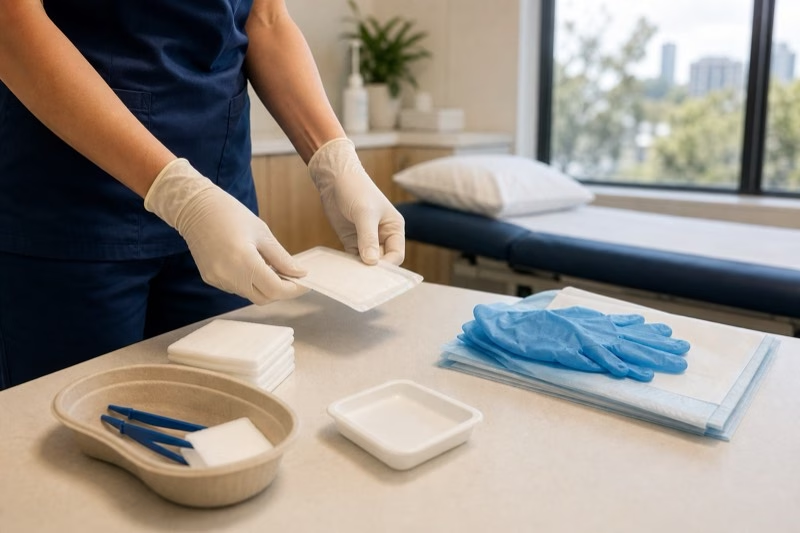
If there is an abscess, drainage may be needed. This is a procedure to release infected fluid and reduce pressure. The exact setting depends on the size of the abscess, your pain, your general health, and local arrangements. After drainage, the wound usually needs dressing care and follow-up.
If the sinus keeps returning, keeps leaking, or has several openings or tracks, pilonidal sinus surgery may be discussed. Surgery aims to remove or manage the sinus tract so the area can heal and the cycle of repeated infection is less likely. There is no single best operation for every person. The right approach depends on the severity of disease, previous treatment, wound position, and your priorities.
In most cases, pilonidal sinus surgery is planned as day surgery, meaning you go home the same day. The anaesthetic, wound plan and follow-up are discussed before the procedure so you know what to expect. Dr Goutham will explain the benefits, limits and possible risks of the options that apply to you, then decide on a plan with you.
Recovery and reducing the chance of it coming back
Recovery varies because pilonidal sinus surgery is not one single operation. Some wounds are closed with stitches. Some are left partly or fully open to heal with dressings. Some people need a smaller procedure for an abscess first, then a later plan if the sinus keeps causing trouble.
Your recovery instructions will depend on the procedure and wound. Common advice includes keeping the area clean, changing dressings as directed, attending follow-up appointments, and avoiding pressure or friction that makes the wound sore. You will be told what activities to limit and when it is reasonable to return to work, study, driving, gym or sport.
Recurrence can happen after treatment, even when care is appropriate. The chance depends on the type of disease, the operation used, wound healing, hair growth and friction in the cleft. This is why follow-up matters. If healing stalls, discharge returns, or pain builds again, it is better to ask early rather than wait.
Prevention is usually simple but needs consistency. Your doctor may advise keeping the area clean and dry, reducing hair around the cleft, and watching for early irritation. These steps cannot guarantee it will not come back, but they can reduce triggers that contribute to blocked pits and inflammation.
If you think you may have a pilonidal sinus, the next step is a straightforward medical review. You do not need to wait until it is severe, and you do not need to feel awkward about raising it.
Frequently asked questions
Is a pilonidal sinus the same as a cyst?
People often call it a pilonidal cyst, but a pilonidal sinus is usually a small pit or tunnel in the skin near the top of the buttock crease. It may contain hair and skin debris, and it can become infected. Your doctor may use either term while explaining the same general condition.
Do I need surgery for a pilonidal sinus?
Not always. A quiet, mild sinus may be managed with hygiene, reducing hair around the area if advised, and watching for change. Surgery is more likely to be discussed if it keeps getting infected, keeps leaking, or forms ongoing sinus tracks.
Is pilonidal sinus surgery day surgery?
In most cases, pilonidal sinus surgery is planned as day surgery, so you go home the same day. The exact plan depends on the procedure, the wound, your health and how inflamed the area is at the time. Your surgeon will explain the anaesthetic, wound care and follow-up before surgery.
Can a pilonidal sinus come back after treatment?
Yes, it can come back after treatment. The risk depends on the extent of the sinus, the operation used, wound healing, hair growth and friction in the cleft. Keeping follow-up appointments and following hair and wound-care advice can help reduce the chance of recurrence.
Is pilonidal sinus common?
Yes. Pilonidal sinus disease is a common problem seen by GPs and general surgeons, especially in young adults. The location makes many people feel embarrassed, but from the doctor’s side it is a routine medical condition.
What happens if I leave a pilonidal sinus untreated?
A quiet sinus may stay settled for some time, but it can also become painful, swollen, red or start discharging. If an abscess forms, it may need drainage. If you notice pain, swelling, redness or discharge, arrange medical review rather than waiting for it to settle on its own.
Related reading
Book your consultation
See Dr Goutham Sivasuthan, Specialist Surgeon
Discuss your pilonidal sinus and the right treatment for you with an Australian-trained general and endoscopic surgeon in Brisbane.
★ 5.0 on Google · AHPRA MED0002000354 · Brisbane · Redland · Moreton Bay · Logan
(07) 3333 5518 · enquiry@upperedgesurgery.com.au · About Dr Goutham
Last medically reviewed by Dr Goutham Sivasuthan, FRACS — July 2026. This article is general information and does not replace individual medical advice.