
Hernia surgery
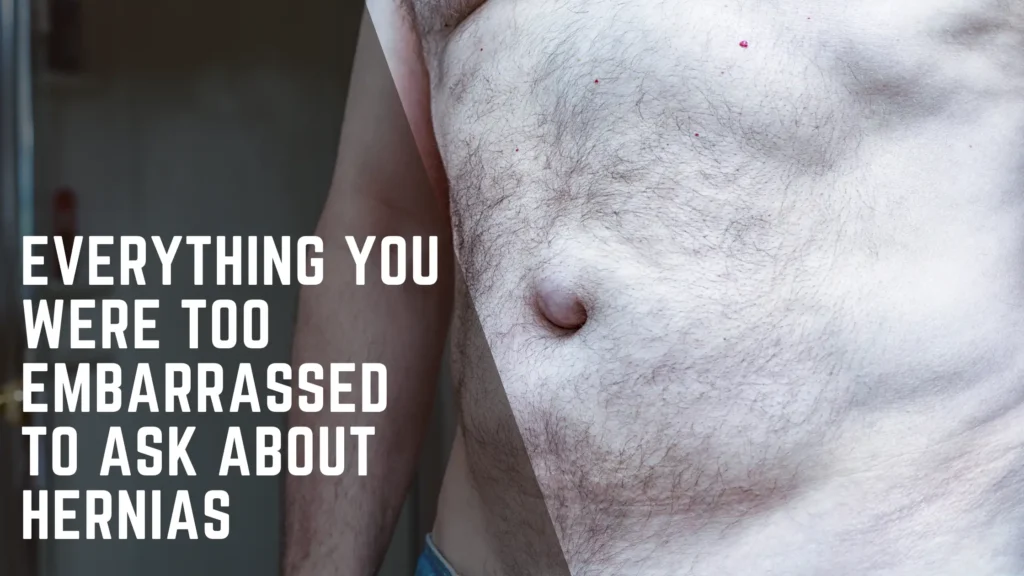
Everything You Were Too Embarrassed to Ask About Hernias
Hernias are one of those medical conditions that many people have heard of but few truly understand. They can affect various parts of the body, often causing discomfort, and in some cases, they require surgical intervention. However, because hernias often occur in areas like the belly-button and groin, people can feel awkward asking certain questions about them.
If you’ve ever had a nagging question about hernias but felt too embarrassed to bring it up, you’re not alone. Here are some of the most common—and sometimes awkward—questions about hernias, answered.
1. What exactly is a hernia?
A hernia occurs when an organ or tissue pushes through a weak spot in the muscle or connective tissue that holds it in place. The most common types include:
•Inguinal hernias (in the groin)
•Umbilical hernias (near the belly button)
•Hiatal hernias (in the diaphragm, affecting the stomach)
•Incisional hernias (at the site of a previous surgical incision)
While some hernias cause noticeable bulges, others (like hiatal hernias) may not be visible but still cause symptoms such as heartburn or discomfort.
Please note: Dr Goutham assesses hiatus hernias but does not perform hiatal (paraoesophageal) or parastomal hernia repair. Patients who need those operations are referred to the appropriate upper-GI or colorectal sub-specialist.
Considering hernia surgery in Brisbane?
Talk through your options with an Australian-trained general and endoscopic surgeon — no pressure to book.
Make an appointment →2. Can a hernia go away on its own?
No, hernias do not heal on their own. While small hernias may not immediately require surgery, they won’t disappear without treatment. Over time, they can get bigger and become more painful or lead to complications such as strangulation, where blood supply is cut off to the affected bowel. This is a medical emergency that requires immediate surgery.
3. Is a hernia my fault?
Not necessarily. Hernias often result from a combination of factors, including genetics, aging, and activities that put strain on the muscles, such as:
- Heavy lifting
- Persistent coughing
- Straining during bowel movements
- Obesity or pregnancy
Some people are simply born with a weakness in their abdominal wall muscles, making them more susceptible to hernias. So, while lifestyle choices can contribute, having a hernia doesn’t mean you’ve done something wrong
4. Can I push my hernia back in?
In some cases, you might be able to gently push a reducible hernia back into place, especially when lying down. However, this is only a temporary fix. If a hernia becomes incarcerated (stuck) or strangulated (losing blood supply), it can be extremely dangerous. If your hernia becomes painful, swollen, or discoloured, seek medical attention immediately.
5. Will a hernia affect my sex life?
Possibly. Inguinal hernias (which occur in the groin) can sometimes cause pain during sexual activity due to pressure in the area. Some people describe a pulling sensation, discomfort, or even erectile dysfunction. After hernia surgery, doctors typically recommend avoiding sex for a few weeks to allow for healing. If you experience ongoing issues, get reviewed by your doctor and get a referral—there’s no need to suffer in silence.
6. Can I exercise with a hernia?
Yes, but with caution. Some exercises can make a hernia worse, particularly those that involve:
- Heavy lifting
- Sit-ups or crunches
- High-impact activities like high-intensity workouts or jumping
However, light exercises such as walking, swimming, and yoga may be safe. Always check with your doctor before starting or continuing an exercise routine with a hernia.
7. What happens if I ignore my hernia?
Ignoring a hernia can lead to serious complications, including:
- Enlargement of the hernia and worsening symptoms: Hernias tend to get larger over time.
- Bowel obstruction: A trapped intestinal hernia can cause severe pain, nausea, and vomiting.
- Strangulation: If the hernia cuts off blood supply to tissue, it can lead to necrosis (tissue death) and which often requires an emergency surgery, especially in the context of herniating bowel.
If you notice a bulge or persistent discomfort, it’s best to consult a doctor sooner rather than later.
8. How painful is hernia surgery?
Hernia repair is a common procedure, and pain levels vary from person to person. Most people experience some discomfort for a few days after surgery, but pain is usually well managed with medication. Laparoscopic (minimally invasive) surgery tends to have a shorter recovery time than open surgery. Many patients can return to light activities within a week or two.
9. Can women get hernias too?
Yes! While inguinal hernias are more common in men, women can also develop them. Additionally, femoral hernias, which occur lower in the groin, are more common in women. Pregnancy and childbirth can also increase the risk of developing umbilical hernias, especially when combined with a rectus divarication.
10. Is wearing a hernia belt or truss a good idea?
Hernia belts and trusses can provide temporary relief by keeping the bulge in place, but they are not a cure. Relying on one for too long can actually weaken the muscles further. If you have to wear a support garment, consult your doctor to ensure it’s safe and appropriate (a misplaced support garment or hernia belt can do more harm than good).
Related: book an appointment
Open our secure enquiry form →
Continue your research
Trusted information
Independent patient information from Australian health organisations.