

Eating after gallbladder removal: what to eat, stage by stage
Start with fluids and small, low-fat meals, then add richer foods back one at a time. Most people are eating a normal, balanced diet within a week or two of keyhole gallbladder removal.
- Your liver still makes bile. Without the gallbladder it reaches the bowel in a steady trickle, so a large, greasy meal is harder to handle at first.
- Looser stools, wind and mild bloating are common early on and usually settle as your gut adjusts.
- Most people do not need a permanent special diet. Your own tolerance sets the pace.
- Fever, worsening pain, yellow skin or eyes, or pale stools are not part of a normal recovery. Call us the same day on (07) 3333 5518.
You are home after keyhole gallbladder removal and the anaesthetic has worn off. The next question is usually about food. What can you eat tonight, and when can you have a normal meal again?
The short answer: start light, build up gradually, and let your gut tell you when it is ready. Most people are back to their usual meals within a week or two. This page sets that out in four stages, from the first days at home to life after six weeks.
Every patient is different. Follow the advice you were given at your consultation and in your discharge instructions. Where they differ from this page, follow them.
Why does eating change after gallbladder removal?
The gallbladder is a small pouch that stores bile, the fluid your liver makes to help digest fat. When you ate a rich meal, it squeezed a concentrated dose of bile into the bowel at the right moment.
After a laparoscopic (keyhole) cholecystectomy, your liver keeps making bile. It now flows into the bowel steadily instead of in one squeeze. Everyday meals digest normally. A very large or greasy meal can outpace that supply in the early weeks, which is why some people notice cramping, wind or loose stools after one.
Your body adapts. For most people the change is small and temporary.
What can I eat in the first few days at home?
In the first few days, the aim is simple. Stay well hydrated and eat small amounts of plain food as your appetite returns.
Nausea and a small appetite are common after an anaesthetic. There is no need to force full meals. Little and often works better than three large plates.
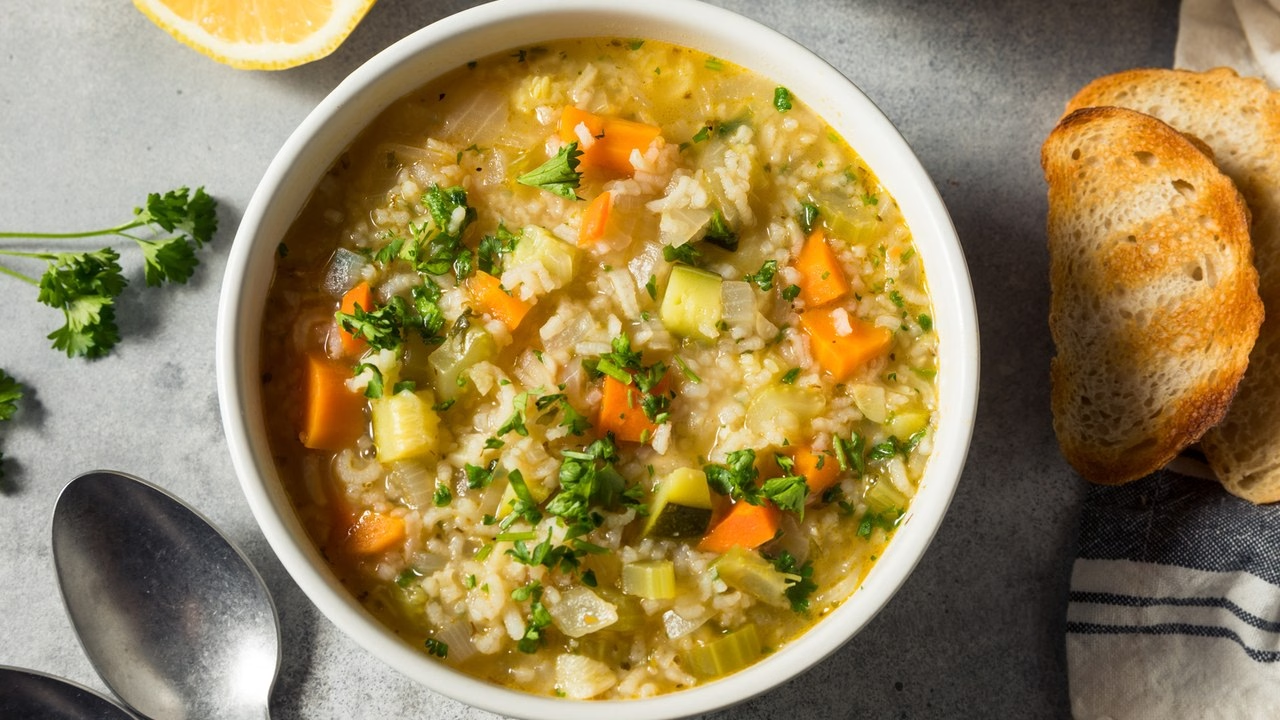
- Fluids: water, clear soups, weak tea, diluted juice.
- Plain starches: dry toast, crackers, plain rice, pasta or potatoes without butter or creamy sauces.
- Gentle extras: low-fat yoghurt, bananas, stewed or tinned fruit.
- Light protein, as you feel ready: small portions of skinless chicken, white fish, or poached or boiled eggs.
Strong pain relief can slow your bowels. Keep drinking, take short walks, and follow the bowel advice in your discharge plan.
Shoulder-tip pain in the first day or two comes from the gas used during keyhole surgery. It is not caused by what you ate.
Questions about your recovery?
The rooms can help with anything in your discharge instructions, or arrange a review with Dr Goutham.
Make an appointment →The first two weeks: small, lower-fat meals
As your appetite returns, widen the range of foods but keep portions moderate and fat on the lower side. This is when most people move from recovery food back towards ordinary meals.
| Usually easier now | Better to hold off for now |
|---|---|
| Lean meat, skinless chicken, fish, eggs | Fried food, hot chips, takeaway burgers |
| Rice, pasta, bread, oats, potatoes | Pastry, pies, sausage rolls, creamy sauces |
| Cooked vegetables, salad, fruit | Fatty cuts, bacon, sausages, salami |
| Low-fat milk and yoghurt, a little cheese | Cream, rich desserts, large serves of cheese |
| Small amounts of olive oil or avocado | Large, heavy meals late at night |
Add fibre back gradually with oats, fruit, vegetables and wholegrain bread. Oats and other soluble fibre can help if your stools are on the loose side. Keep walking each day; it helps your bowel settle into a rhythm.
Weeks two to six: how do I bring richer foods back?
Many people are already eating normally by now. If you have been cautious, this is the stage to test richer foods on purpose, one at a time.
- Choose one richer food, such as a cheese toastie or a small serve of chips, and have it with a meal.
- Notice how you feel over the next few hours.
- If it sits well, keep it in your diet. If it causes cramping or loose stools, step back for a few days and try a smaller serve later.
- Change one thing at a time, so you know what caused any reaction.
A short note on your phone helps: the food, the time, and any symptoms. Bring it to your follow-up appointment. Dr Goutham usually reviews you two to four weeks after the operation.
After six weeks: do I need a low-fat diet for life?
No. Most people do not need a permanent special diet after gallbladder removal. The liver still makes bile, and the bowel adapts.
A few people find that very fatty or very large meals still bring on urgency or loose stools. The practical answer is a smaller portion, or having that food less often. Cutting out fat altogether is not necessary. Some fat is part of a balanced diet.
If loose stools continue, or affect work or sleep, do not just put up with them. In some people, bile reaching the large bowel causes ongoing diarrhoea, and this can often be treated. Talk to your GP or call the rooms.
Please avoid bile salts, liver cleanses and detox products unless a doctor has advised them. They are rarely needed and can confuse the picture.
What is normal, and what is not?
Some changes are an expected part of recovery. Others need a phone call.
Usually normal in the first weeks:
- Looser stools after a richer meal.
- Extra wind or mild bloating.
- A small appetite for the first few days.
- Tiredness that improves week by week.
Worth raising at your follow-up: which foods still cause symptoms, and whether your stool pattern is what Dr Goutham expects. Ask, too, whether a blood test or a change of medicine would help.
When to call us
Call the rooms on (07) 3333 5518, or the hospital where you had your operation, the same day if you have any of these. After hours, or if you cannot reach us, go to your nearest emergency department.
- Fever above 38°C, or chills.
- Abdominal pain that is getting worse rather than better, especially under the right ribs.
- Yellowing of the skin or the whites of the eyes (jaundice), or dark urine.
- Pale, putty-coloured stools.
- Vomiting that will not settle, or not being able to keep fluids down.
- Increasing redness, swelling or discharge from a wound.
- Calf pain or swelling.
Call 000 for chest pain, sudden shortness of breath or collapse.
Frequently asked questions
Do I need a low-fat diet forever after gallbladder removal?
No. Most people return to a normal, balanced diet within a week or two. If very fatty meals still upset you later on, a smaller portion is usually enough; you do not need to cut out fat.
Why do I have diarrhoea after gallbladder surgery?
Bile now reaches the bowel continuously, and a rich meal can bring on looser stools while your gut adjusts. It usually settles. If it continues or affects daily life, see your GP or call the rooms, because it can often be treated.
When can I eat takeaway or a big meal again?
Once ordinary meals sit well, which for most people is within the first couple of weeks. Try a smaller serve first and see how you feel over the next few hours.
Should I take bile salts, enzymes or a detox supplement?
Not unless a doctor has advised it. They are rarely needed after gallbladder removal and can make it harder to tell what is causing any symptoms.
Related reading
See Dr Goutham Sivasuthan, Specialist Surgeon
Clear, unhurried advice about your options and your recovery, with no pressure to proceed.
Make an appointment →Call (07) 3333 5518This page is general information for patients of Upper Edge Surgery in Brisbane and surrounds. Every patient is different: follow the advice you were given at your consultation and in your discharge instructions. It does not replace advice from your surgeon, GP or emergency department.