
Upper Edge Surgery
Diverticulitis Diet and Flare-Up Prevention: What Brisbane Patients Should Know
In short
Diverticulosis means small pouches have formed in the large bowel, while diverticulitis means one or more have become inflamed or infected. During a diverticulitis flare up, your doctor may suggest short-term bowel rest with clear fluids or lower-fibre foods, but between flare-ups a high-fibre diet and steady lifestyle habits can help reduce the chance of it coming back.
Diverticulosis and diverticulitis, quickly explained
Diverticulosis means small pouches, called diverticula, have formed in the wall of the large bowel. This is common, especially as people get older. Many people only find out they have diverticulosis after a colonoscopy or scan for another reason, because it often causes no symptoms at all.
Diverticulitis is different. It happens when one or more of these pouches become inflamed or infected. This can cause pain, often in the lower left side of the abdomen, along with fever, nausea, bloating or a change in bowel habit.
The difference matters because diverticulosis on its own does not usually need urgent treatment. Diverticulitis, especially if symptoms are strong or worsening, needs medical assessment so the right plan can be made.
Some people use the words as if they mean the same thing, which can make the diagnosis feel more alarming than it needs to be. Having diverticula does not mean you are unwell, and it does not mean surgery is around the corner. The key is recognising when symptoms suggest inflammation, infection or a complication.
For many Brisbane patients, the first question after a flare-up is, what can I do to stop this happening again? Diet is part of that answer, but timing is important. What helps during a flare-up is not always the same as what helps once the bowel has settled.
What a diverticulitis flare up can feel like
An acute diverticulitis flare up commonly causes abdominal pain and tenderness. The pain is often felt in the lower left side, although not everyone has the same pattern. Some people also notice fever, chills, nausea, reduced appetite, diarrhoea, constipation or a general sense of being unwell.
Mild flare-ups are often managed without a hospital admission. A doctor may recommend rest, temporary diet changes, fluids, pain relief that is suitable for you, and sometimes antibiotics. The exact plan depends on your symptoms, your past history and whether there are signs of a complication.
During a mild flare, you may be asked to keep meals simple, drink enough fluid and monitor whether the pain, temperature and bowel symptoms are improving. If symptoms are not moving in the right direction, the plan should be reviewed rather than pushed through at home.
You should seek prompt medical assessment if the pain is severe, getting worse, or comes with a high fever, repeated vomiting, dizziness, fainting, or an inability to pass wind or stool. These symptoms can sometimes point to a complication such as an abscess, bowel blockage or perforation.
It is also worth getting checked if symptoms keep returning, if you are unsure whether it is diverticulitis, or if this is your first episode. Self-managing repeated abdominal pain can delay the right diagnosis.
Have a question?
Speak with our team about your symptoms and options.
Make an appointment →☎ Call 07 3333 5518 · enquiry@upperedgesurgery.com.au
Diverticulitis diet: during a flare-up versus between flare-ups
The most confusing part of a diverticulitis diet is that advice can change depending on where you are in the illness. During an acute flare-up, the bowel may be irritated and inflamed. In that short-term setting, your doctor may recommend clear fluids or a lower-fibre diet to help rest the bowel while symptoms settle.
This is not the same as a long-term diet. A low-fibre approach during a flare-up is usually temporary and should be guided by a doctor, especially if you have other health conditions. It is not a plan to stay on for weeks without advice, because your body still needs enough nutrition and fluid.
Between flare-ups, once symptoms have settled, the advice usually moves in the opposite direction. A higher-fibre eating pattern is generally recommended because it is associated with fewer flare-ups over time. Fibre helps form softer, bulkier stools and supports regular bowel habits, which may reduce pressure in the colon.
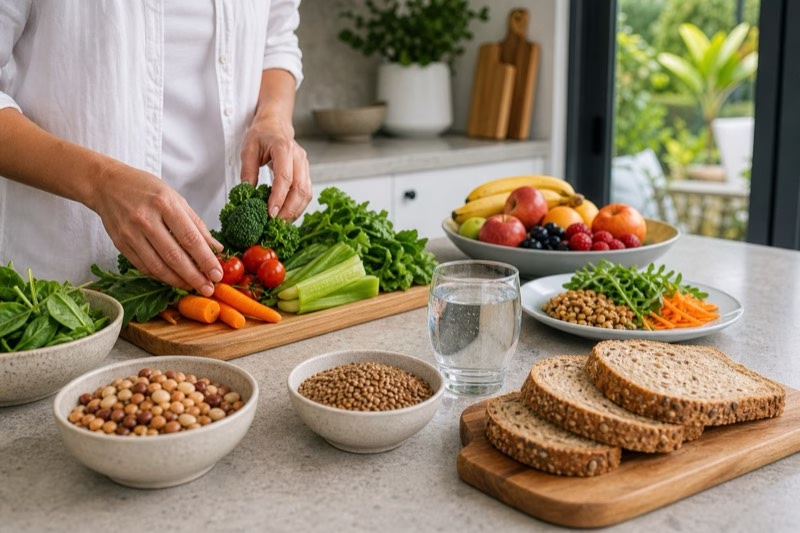
High-fibre foods include vegetables, fruit, wholegrain breads and cereals, oats, brown rice, legumes such as lentils and beans, nuts and seeds if you tolerate them. Many people do best by increasing fibre gradually rather than making a sudden large change. This gives the bowel time to adjust and can reduce bloating.
A practical approach is to return to normal eating in stages once your doctor says the flare has settled. You might start with familiar, easy meals, then add fibre back step by step. If pain returns when you increase fibre, or if your bowel habit changes sharply, pause and seek advice.
Older advice often told people with diverticular disease to avoid nuts, seeds and corn. For most people, these foods are not routinely banned. If a specific food clearly triggers symptoms for you, discuss it with your doctor or a dietitian rather than cutting out whole food groups on guesswork.
Everyday habits that may lower flare-up risk
Food matters, but it is not the only factor. Staying well hydrated is important, especially when increasing fibre. Fibre works best when there is enough fluid in the bowel. For many adults, this means making water a steady part of the day, not trying to catch up late at night.
Regular physical activity is also linked with better bowel function and a lower risk of diverticulitis flare-ups. This does not need to mean intense exercise. A practical starting point might be a daily walk, swimming, cycling, strength work, or any activity you can keep doing consistently around work, family and Brisbane weather.
Not smoking is another useful protective habit. Smoking is associated with a higher risk of many bowel and surgical problems, and stopping can improve general health as well as recovery if an operation is ever needed.
It is sensible to make changes you can sustain. A strict diet that lasts two weeks and then collapses is less useful than a steady pattern you can live with. If you feel unsure about how to increase fibre safely, especially after a recent flare-up, it is worth discussing a plan with your GP, surgeon or dietitian.
Common practical steps include adding one extra serve of vegetables each day, choosing wholegrain bread instead of white bread, adding oats at breakfast, or using lentils or beans in soups and salads. Small changes can add up without making meals feel medicalised.
If constipation is part of your pattern, mention it during your review. Straining and irregular bowel habits can make people feel anxious after diverticulitis, and there may be simple, individual steps to improve regularity without overcorrecting your diet.
When diverticulitis becomes a surgical conversation
Most diverticulitis is managed without surgery. A single mild flare-up that settles well does not automatically mean you need an operation. The goal is to understand what happened, recover properly, and reduce the chance of another episode where possible.
Diverticulitis surgery becomes a conversation when flare-ups are recurrent and significantly affecting quality of life, or when complications occur. Complications can include an abscess, a fistula, a bowel blockage, or a perforation. These are the situations where a general surgeon may become involved.
The decision is individual. It depends on how many flare-ups you have had, how severe they were, what scans or tests show, your other health conditions, and how much the problem is interfering with normal life. For one person, careful prevention and monitoring may be the right plan. For another, an operation for diverticulitis may be discussed after repeated or complicated episodes.
Dr Goutham Sivasuthan is a Specialist Endoscopic and Minimally Invasive Surgeon based in Brisbane. In a surgical consultation, the focus is on explaining the options, the likely benefits, the limits of surgery, and the risks that matter for your situation.
A useful consultation should also make room for your priorities. Some people are most worried about another hospital visit. Others are worried about time off work, travel, caregiving, or how symptoms affect social plans. These details matter because quality of life is part of the decision, not an afterthought.
There is no single operation that is automatically right for every patient with diverticulitis. If surgery is being considered, the approach is discussed case by case after reviewing your history, examination findings and relevant results.
A calm plan after diverticulitis
Most people with diverticulosis never develop diverticulitis. Among those who do have diverticulitis, many have one flare-up that settles with straightforward management and does not turn into an ongoing surgical problem.
The useful message is not to be frightened of food or everyday activity. It is to know the difference between short-term flare-up care and long-term prevention. During a flare-up, bowel rest with a temporary lower-fibre or fluid-based diet may be recommended by your doctor. Between flare-ups, a gradual return to a high-fibre diet, enough water, regular movement and not smoking are sensible protective steps.
Ongoing pain, repeated flare-ups or symptoms that do not fit your usual pattern deserve proper assessment rather than repeated self-management. The next step is to speak with your GP or arrange a specialist review so your diagnosis, diet plan and need for further tests or surgical input can be considered properly.
Frequently asked questions
What foods should I avoid if I have diverticulitis?
During a flare-up, your doctor may advise clear fluids or lower-fibre foods for a short time. Between flare-ups, most people are not told to avoid whole categories of food, and a high-fibre diet is generally encouraged. If a food seems to trigger symptoms, discuss it with your doctor or a dietitian before making major restrictions.
Can diverticulitis go away on its own?
Some mild episodes settle with rest, fluids, diet changes and medical guidance, sometimes without hospital admission. You should still be assessed, especially if this is your first episode or symptoms are worsening. Severe pain, high fever, vomiting or inability to pass wind or stool needs prompt medical care.
Do I need surgery for diverticulitis?
Most people with diverticulitis do not need surgery. Diverticulitis surgery is usually discussed when flare-ups keep coming back and affect quality of life, or when there is a complication such as an abscess, fistula, blockage or perforation. The decision is made individually after reviewing your situation.
What are the warning signs I should see a doctor urgently?
Seek urgent medical assessment for severe or worsening abdominal pain, high fever, repeated vomiting, fainting, or an inability to pass wind or stool. These symptoms can suggest a complication and should not be managed with diet changes alone. If you feel very unwell, arrange urgent care rather than waiting for a routine appointment.
Is a high-fibre diet safe during a flare-up?
Not always. During an acute flare-up, your doctor may recommend a temporary clear-fluid or low-fibre diet to rest the bowel. Once the flare-up has settled, fibre is usually increased again gradually because a high-fibre diet is linked with fewer flare-ups long-term.
Can diverticulitis come back after treatment?
Yes, diverticulitis can come back, although many people have only one episode. A steady diverticulitis diet between flare-ups, good hydration, regular physical activity and not smoking may reduce the chance of recurrence. Recurrent symptoms are worth a proper review rather than repeated self-treatment.
Related reading
Why Am I Bloated All the Time?Common causes of bloating Bright Red Blood in the ToiletWhen it’s nothing and when to see a surgeon Bowel Cancer Awareness WeekWhy early detection saves lives The Complete Guide to a ColonoscopyWhat to expect from endoscopic assessmentBook your consultation
See Dr Goutham Sivasuthan, Specialist Surgeon
★ 5.0 on Google · AHPRA MED0002000354 · Brisbane · Redland · Moreton Bay · Logan
Last medically reviewed by Dr Goutham Sivasuthan, FRACS — July 2026. This article is general information and does not replace individual medical advice.