

Eating after haemorrhoid treatment: fibre, fluids and soft stools
After haemorrhoid banding or surgery, the goal is soft bowel motions that pass without straining. Drink regularly, take the stool softener you were given, and build fibre up over the first two weeks.
- Hard stools and straining stretch the area that is healing. Soft stools protect it.
- Fibre needs fluid. Adding fibre without drinking more can make stools harder, not softer.
- Some stinging and a little blood with the first motions are common, particularly after a haemorrhoidectomy.
- Heavy bleeding, being unable to pass urine, or a fever needs a call to us the same day on (07) 3333 5518.
The first bowel motion after haemorrhoid treatment is the one most people dread. It is usually far easier than expected when the stool is soft. That is the point of everything on this page: fluids, fibre and a stool softener, used together, keep motions soft while the area heals.
This guide covers rubber-band ligation (banding) and haemorrhoidectomy, the operation to remove haemorrhoids. Banding usually means a shorter, milder recovery. After a haemorrhoidectomy, the first one to two weeks are typically more uncomfortable, and full comfort can take a few weeks.
Every patient is different. Follow the advice you were given at your consultation and in your discharge instructions. Where they differ from this page, follow them.
Why do soft stools matter after treatment?
Treatment leaves a healing area just inside or around the back passage. A hard stool, or a long strain, stretches that area. That hurts, and it can start bleeding.
Strong pain relief adds a second problem. Codeine and similar medicines slow the bowel and dry the stool out. That is why a stool softener or gentle laxative is usually part of the discharge plan.
What should I eat and drink in the first few days?
For the first few days, focus on fluids and on keeping the first motions soft.
- Drink regularly through the day. Water is best. Pale yellow urine is a reasonable sign you are drinking enough.
- Take the stool softener or laxative on your discharge plan, at the dose given. If none was prescribed, check with your treating team or pharmacist before starting one.
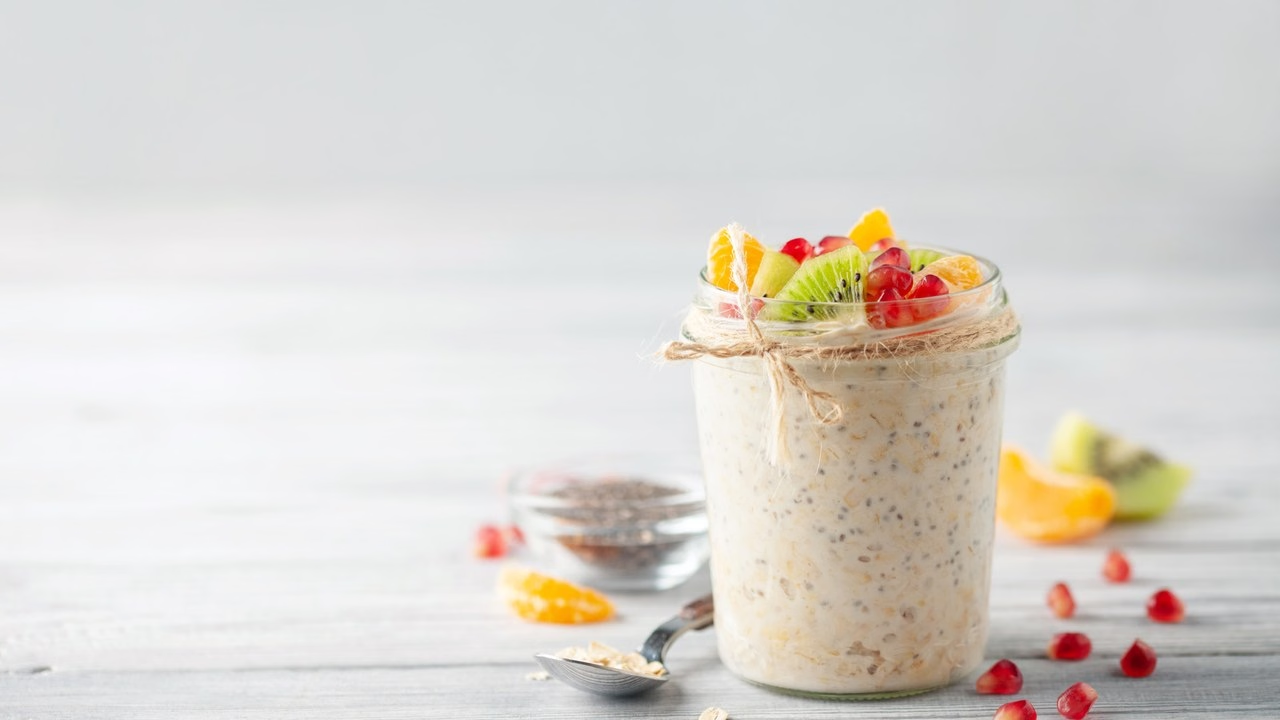
- Eat normally if your appetite allows, with some fruit or vegetables at each meal. Pears, kiwi fruit and prunes are useful choices.
- Go when you feel the urge. Holding on lets the stool dry out and harden.
- Do not sit and strain. Resting your feet on a low footstool, so your knees are above your hips, makes the motion easier.
If your discharge instructions include warm baths, they can ease discomfort after a motion.
If several days pass with no bowel motion despite the softener, call the rooms. Do not wait for your follow-up appointment.
Questions about your recovery?
The rooms can help with anything in your discharge instructions, or arrange a review with Dr Goutham.
Make an appointment →The first two weeks: build fibre up gradually
Fibre adds bulk and holds water in the stool, so it stays soft. Increase it step by step over the fortnight. A sudden large increase can cause wind and cramping.
| Good fibre sources | Easy ways to add them |
|---|---|
| Oats, porridge, high-fibre cereal | Breakfast most days |
| Wholemeal bread, brown rice, wholemeal pasta | Swap for the white versions |
| Fruit with the skin on: pears, apples, kiwi fruit, prunes | A piece with lunch, one as a snack |
| Vegetables and salad | Half the plate at lunch and dinner |
| Lentils, chickpeas, baked beans | In soups, curries or on toast |
Drink more as you add fibre. Fibre without enough fluid can make stools harder.
A fibre supplement such as psyllium can help if your diet is short on fibre. Take it with a full glass of water, and check with your team or pharmacist that it suits your other medicines.
Meals built mainly on white bread, cheese, processed meat and pastry are low in fibre. You do not have to avoid them. Balance them with fruit, vegetables and wholegrains.
Weeks two to six: keep stools soft as you heal
Most people are moving around comfortably by now. After a haemorrhoidectomy, some discomfort with motions can last a few weeks.
Keep the fibre and fluids steady; they are doing the work now. Reduce or stop the stool softener when your team advises, usually once your motions are soft and regular on diet alone.
A little bright blood on the paper can still appear now and then as the area heals. It should be getting less over time, not more.
After six weeks: which habits help keep haemorrhoids away?
Haemorrhoids can come back. The habits that helped you heal also lower that chance.
- Make a fibre-rich diet and regular fluids your normal routine.
- Go when you feel the urge, and do not sit on the toilet longer than you need to. Leave the phone outside.
- Avoid straining. Keep using the footstool if it helps.
- Stay active. Regular walking helps keep the bowel regular.
New bleeding months after treatment is a different matter. Do not assume it is the haemorrhoids again. It should be assessed, especially if you are 45 or older, or you notice anaemia, weight loss, a change in bowel habit, or have a family history of bowel cancer. A colonoscopy may be needed to rule out other causes.
What is normal, and what is not?
Some discomfort is an expected part of healing. A few things need a phone call.
Usually normal in the first weeks:
- Stinging or aching with the first motions.
- A small amount of bright blood on the paper or in the bowl with motions. After banding, a little blood is also common when the band falls away.
- Some swelling around the back passage.
- A little mucus or moisture.
Worth raising at your follow-up: how often you are opening your bowels, whether you still need the softener, and any foods that seem to make motions harder.
When to call us
Call the rooms on (07) 3333 5518, or the hospital where you were treated, the same day if you have any of these. After hours, or if you cannot reach us, go to your nearest emergency department.
- Heavy bleeding: more than a small amount, bleeding that will not stop, or passing clots.
- Being unable to pass urine.
- Fever above 38°C, or chills.
- Pain that keeps getting worse, or is not controlled by your pain relief.
- Increasing swelling, or a discharge with a bad smell.
- No bowel motion for several days despite the stool softener.
Call 000 if heavy bleeding comes with dizziness, fainting or a racing heart.
Frequently asked questions
When will I have my first bowel motion after haemorrhoid treatment?
Most people open their bowels within the first few days, helped by fluids and the stool softener. If several days pass with nothing despite the softener, call the rooms.
How long do I need the stool softener?
Until your team advises you to stop, which is usually once your motions are soft and regular on diet alone.
Is bleeding normal after haemorrhoid treatment?
A small amount of bright blood with motions is common while the area heals, and after banding when the band falls away. Heavy bleeding, clots or bleeding that will not stop needs a same-day call or the emergency department.
Will a high-fibre diet stop haemorrhoids coming back?
It lowers the chance by keeping stools soft and reducing straining, but it cannot promise they will not return. New bleeding later on should always be assessed rather than assumed to be haemorrhoids.
Related reading
See Dr Goutham Sivasuthan, Specialist Surgeon
Clear, unhurried advice about your options and your recovery, with no pressure to proceed.
Make an appointment →Call (07) 3333 5518This page is general information for patients of Upper Edge Surgery in Brisbane and surrounds. Every patient is different: follow the advice you were given at your consultation and in your discharge instructions. It does not replace advice from your surgeon, GP or emergency department.