

Living with GORD: lifestyle, diet and when medication is not enough
In short
GORD often improves when daily habits, food triggers and medication are managed together. If reflux keeps breaking through despite good reflux lifestyle changes and appropriate treatment, specialist assessment can help clarify what is driving it and what to do next.
Why lifestyle and diet matter in GORD
Living with GORD can feel frustrating because symptoms often follow you into ordinary parts of the day: meals, work, sleep and social plans. The aim of good reflux care is not only to settle burning or regurgitation after it starts. It is to reduce how often reflux happens, lower the irritation in the oesophagus and help you feel more confident about eating and sleeping.
Lifestyle and food changes are not a consolation prize before “real treatment”. They are part of evidence-based first-line reflux management options. For many people, simple changes can meaningfully reduce symptoms, especially when they are matched to the person’s actual pattern rather than copied from a long list online.
GORD happens when stomach contents move back up into the oesophagus. This is more likely when the stomach is very full, pressure in the abdomen is higher, the valve area between the stomach and oesophagus is under strain, or the oesophagus is already sensitive. That is why timing, portion size, body position, smoking, alcohol and weight can all matter.
A practical GORD diet is usually less about strict rules and more about finding your own triggers. Some people can drink coffee without a problem but react strongly to a late, fatty meal. Others notice citrus, tomato or alcohol more clearly. The most useful plan is one you can keep doing, review honestly and adjust with medical guidance when needed.
Reflux lifestyle changes that are worth trying
The most helpful reflux lifestyle changes are often small, repeated habits. Start with meals. Eating smaller meals, eating more slowly and avoiding rushed large dinners can reduce stomach stretching and pressure. This does not mean eating tiny meals or skipping food. It means giving your stomach less work to do at one time.
Try not to lie down for 2 to 3 hours after eating. This is especially important after dinner or a late snack. Gravity helps keep stomach contents where they belong, so sitting upright, walking gently or doing quiet tasks after meals can be more useful than heading straight to the couch or bed.
If night-time reflux is a problem, raising the head of the bed can help. This usually works better than piling up pillows, which can bend the body at the waist and increase pressure on the stomach. Bed blocks or a wedge that lifts the upper body more evenly may be more effective and more comfortable.
Smoking can worsen reflux and irritate the oesophagus. Reducing or stopping smoking can help symptoms and has wider health benefits. Alcohol can also relax the valve area between the stomach and oesophagus, and it may trigger symptoms for some people. Cutting back, avoiding alcohol close to bedtime or choosing alcohol-free days can be a practical place to start.
If you are carrying excess weight around the abdomen, even modest weight loss may reduce reflux frequency and severity. This should be discussed without blame. Weight is only one part of reflux, and not everyone with GORD has excess weight. If it is relevant for you, your plan should be realistic, respectful and based on health rather than shame.
Have a question?
Speak with our team about your symptoms and options.
Make an appointment →☎ Call 07 3333 5518 · enquiry@upperedgesurgery.com.au
Common food and drink triggers
Many people search for a GORD diet because they want a clear list of what to avoid. There are common triggers, but they are not universal. Cutting out everything at once can make eating stressful and may not show you what actually affects your symptoms.
Foods and drinks that commonly trigger reflux include:
- fatty or fried foods
- chocolate
- coffee, strong tea and other caffeine sources
- carbonated drinks
- citrus fruit and citrus juice
- tomato-based foods
- spicy food
- alcohol
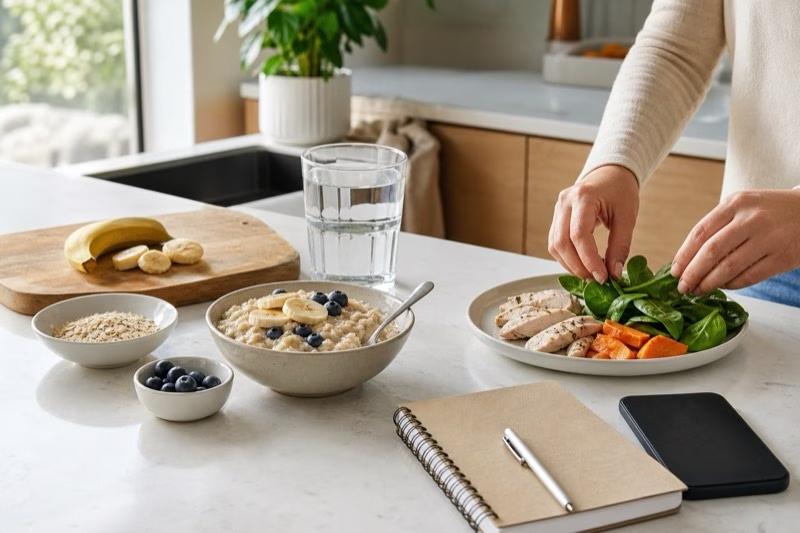
A better approach is to look for your own pattern. Keep a simple food and symptom diary for 2 weeks. Write down what you ate, when symptoms happened, whether you lay down soon after eating, and whether stress, alcohol or a large meal was involved. The timing matters because reflux after a late takeaway meal may be due to portion size, fat content, alcohol, lying down soon after eating, or all of these together.
Once you see a pattern, trial one change at a time. For example, you might swap a late fried meal for an earlier, lighter dinner for a week, or reduce coffee and carbonated drinks while keeping the rest of your diet stable. This makes it easier to know what helped.
It is also worth keeping food enjoyable. A GORD diet does not need to be bland or highly restrictive. Many people do well with smaller portions, earlier meals, lower-fat cooking methods and fewer personal triggers, while still eating a varied diet.
How reflux medicines fit into management
Medication can be very helpful when reflux is more frequent, more disruptive or not settling with lifestyle changes alone. The right medicine depends on your symptom pattern, other health conditions and what has already been tried.
Antacids may help occasional symptoms by neutralising acid for a short time. They can be useful after a trigger meal or for mild, infrequent reflux. They do not treat all causes of reflux, and needing them often is a reason to speak with a doctor or pharmacist rather than simply buying more.
Proton pump inhibitors, often called PPIs, are a common prescribed option for more frequent GORD. They reduce acid production and can give the oesophagus a better chance to settle. They should be taken as directed by your doctor or pharmacist. The timing and regularity can affect how well they work, so “PPI not working” sometimes means the medicine, timing, diagnosis or trigger pattern needs to be reviewed.
Do not change the dose, take extra tablets or stop long-term medication suddenly without medical advice. Some people need a short course, some need step-down treatment, and some need longer management because symptoms return quickly. The safest plan is individualised.
One important safety point: chest pain is not always reflux. New, severe or worrying chest pain needs urgent medical attention, because heart-related causes can sometimes feel like indigestion or burning. A blog post cannot safely sort that out.
When medication and lifestyle changes are not enough
If symptoms persist despite good adherence to lifestyle changes and appropriate medication, it is time to pause and reassess. The answer is not always to keep increasing the dose, try another over-the-counter product or accept poor sleep and daily symptoms as normal.
Ongoing reflux symptoms can happen for several reasons. The diagnosis may need checking. The timing of medication may be off. A large hiatal hernia may be contributing. Symptoms may be coming from inflammation, oesophageal sensitivity, delayed stomach emptying, bile reflux or another condition that can mimic GORD. Some people also have reflux that improves on medication but returns as soon as treatment stops.
A proper specialist assessment looks at the whole pattern: what symptoms you have, when they occur, what you have tried, whether swallowing is affected, whether there has been bleeding or weight loss, and how much reflux is affecting your life. Dr Goutham Sivasuthan is a Specialist Endoscopic and Minimally Invasive Surgeon based in Brisbane. In reflux care, his role is assessment and management, including lifestyle, diet and medication review.
Gastroscopy may be considered when symptoms are persistent, recurrent or unclear. This allows direct assessment of the oesophagus, stomach and upper small bowel. It can help identify oesophagitis, narrowing, Barrett’s oesophagus, a hiatus hernia or other causes that may change the plan. Not every person with reflux needs a gastroscopy, but it can be useful when the story is not straightforward or treatment is not working as expected.
What further reflux management options look like
For most people, reflux management options stay within lifestyle changes, diet changes and medication review. The goal is to find the lowest-burden plan that controls symptoms, protects the oesophagus where needed and fits real life.
For a smaller number of people, reflux remains troublesome despite careful medical management. In that situation, the next step is not a rushed decision about surgery. It is structured assessment, clear explanation and, if appropriate, referral into a specialist anti-reflux surgical pathway.
That pathway may include further testing to confirm reflux, check oesophageal movement and understand whether an operation would be suitable. Anti-reflux procedures such as fundoplication and surgery for hiatal hernia require the right diagnosis and the right surgical team. Dr Goutham does not perform hiatal (paraoesophageal) or parastomal hernia repair or fundoplication. He provides assessment and management of hiatus hernias and GORD, then coordinates referral when a specialist anti-reflux surgical opinion is needed. His role is to assess and manage GORD, arrange appropriate investigations where needed, and coordinate referral if a specialist anti-reflux surgical opinion is the right next step.
This is coordinated care, not a sign that you have failed lifestyle changes or medication. If your reflux is still breaking through, keeps returning when medication stops, or is shaping too many daily choices, book a consultation to review what is happening and plan the next sensible step.
Frequently asked questions
What foods should I avoid with reflux?
Common reflux triggers include fatty or fried foods, chocolate, caffeine, carbonated drinks, citrus, tomato-based foods, spicy food and alcohol. They do not affect everyone, so it is better to track your own symptoms for 2 weeks and adjust the triggers that clearly matter to you.
Is it safe to take reflux medication long-term?
Some people do need reflux medication for longer periods, but it should be reviewed with a doctor rather than continued without a plan. Your doctor can check whether the medicine is still needed, whether the dose is right, and whether further assessment is sensible.
Why does my reflux come back as soon as I stop my medication?
Reflux may return because the underlying trigger is still present, such as late meals, alcohol, excess abdominal pressure, a hiatal hernia or ongoing acid reflux. It can also mean the diagnosis or treatment plan needs review, especially if symptoms return quickly each time medication stops.
Can losing weight help reflux?
Yes, if excess weight around the abdomen is contributing to reflux, modest weight loss can reduce symptom frequency and severity. Weight is not the only cause of GORD, and advice should be realistic, respectful and matched to your health needs.
What happens if lifestyle changes and medication do not work?
If symptoms persist despite good reflux lifestyle changes and appropriate medication, a specialist assessment can help clarify what is driving them. This may include reviewing how medication is taken, checking for other causes and considering gastroscopy if it is appropriate.
Does Dr Goutham perform anti-reflux surgery?
No. Dr Goutham’s role in GORD is assessment and management, including lifestyle, diet and medication review, and coordinating referral if a specialist anti-reflux surgical pathway is needed. Dr Goutham does not perform hiatal (paraoesophageal) or parastomal hernia repair or fundoplication. He provides assessment and management of hiatus hernias and GORD, then coordinates referral when a specialist anti-reflux surgical opinion is needed.
Related reading
See Dr Goutham Sivasuthan, Specialist Surgeon
Make an appointment → Call (07) 3333 5518★ 5.0 on Google · AHPRA MED0002000354 · Brisbane · Redland · Moreton Bay · Logan
Last medically reviewed by Dr Goutham Sivasuthan, FRACS — July 2026. This article is general information and does not replace individual medical advice.