
Life After Gallbladder Removal: What Changes?
Quick answer: Most people live normally without a gallbladder. The liver still makes bile; the difference is that bile flows more continuously into the intestine instead of being stored and released by the gallbladder. After keyhole gallbladder surgery, short-term bloating, altered appetite or looser stools can occur, but persistent pain, fever, jaundice, vomiting or worsening symptoms should be reviewed.
For many patients, the decision to have gallbladder surgery is not just about the operation. It is about the life afterwards. Will I be able to eat normally? Will I always need to avoid fat? Will I have diarrhoea? Will the pain definitely go away? These are reasonable questions, especially if gallbladder attacks have been frightening or disruptive.
This article explains what the gallbladder does, what changes after removal, the typical recovery pattern, diet advice, bowel changes and when symptoms after surgery need review.
What the gallbladder normally does
The gallbladder stores bile made by the liver. Bile helps digest fat. When you eat, especially when you eat a rich or fatty meal, the gallbladder squeezes bile into the small bowel. Gallstones can block the outlet, causing pain, nausea, inflammation or other complications.
When the gallbladder is removed, the liver does not stop making bile. Bile continues to flow into the intestine, but it is no longer stored in the same way. Most people adapt well to this change. The operation removes the diseased storage organ; it does not remove the liver or bile ducts.
The first few days after keyhole surgery
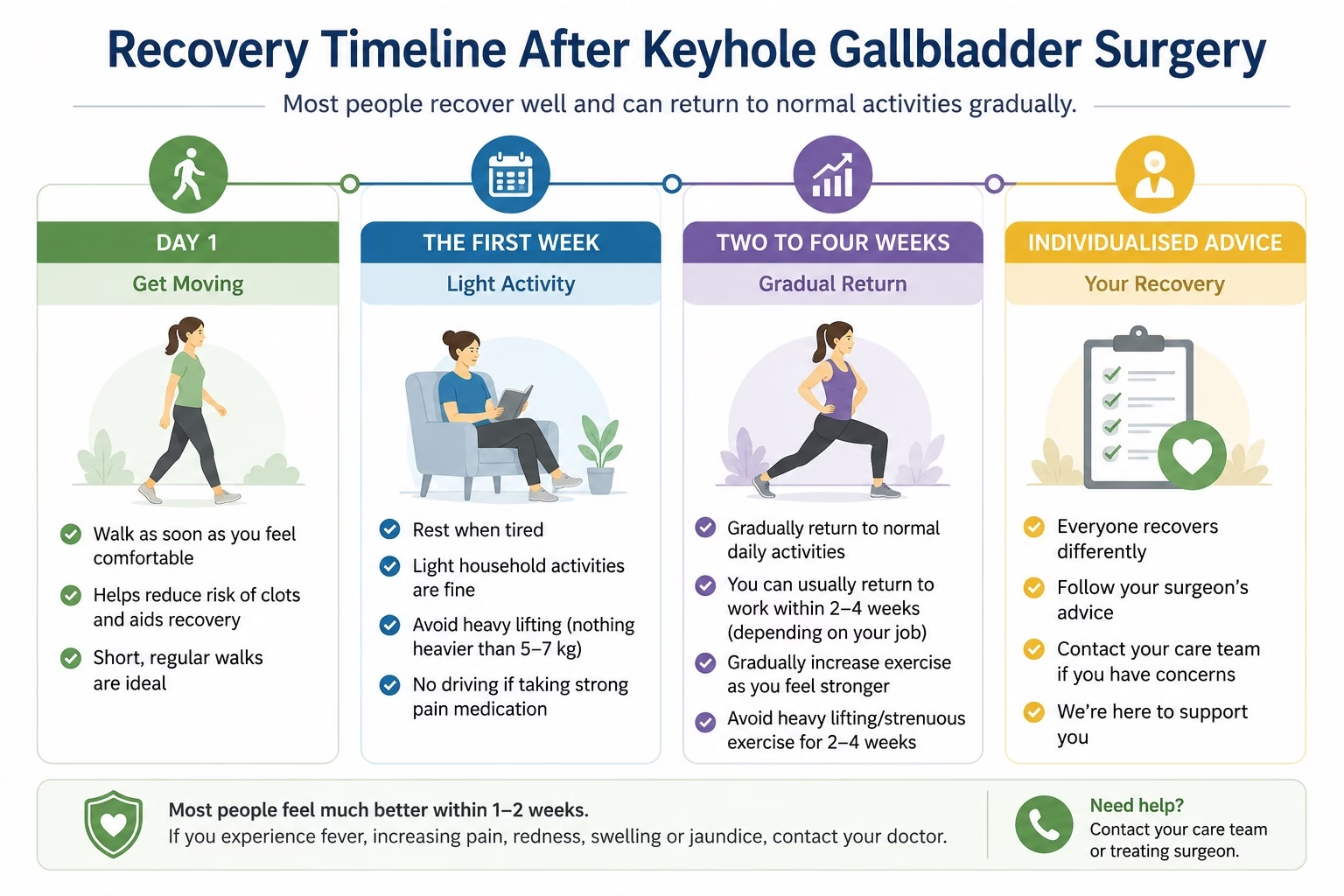
After laparoscopic cholecystectomy, patients usually feel abdominal soreness, shoulder-tip discomfort from the gas used during keyhole surgery, tiredness and reduced appetite. Walking early is encouraged. Pain generally improves day by day. Nausea can occur, especially if there was significant inflammation or sensitivity to anaesthetic medications.
The immediate goals are simple: drink fluids, eat lightly, walk regularly, take pain relief as directed, and watch the wounds. It is normal not to feel completely yourself for several days. It is not normal to become progressively worse, develop fever or jaundice, or be unable to keep fluids down.
What to eat after gallbladder removal
Most patients start with light, low-fat meals and gradually return to a normal diet. Small portions are often better than a large rich meal in the first week. Examples include toast, soup, rice, lean protein, yoghurt, fruit, cooked vegetables and simple home-style meals. Hydration and gentle movement help bowel function recover.
There is usually no need for a permanent extremely low-fat diet unless your body tells you certain foods remain problematic. A sudden greasy takeaway meal immediately after surgery is more likely to cause cramps or diarrhoea. Reintroduce richer foods gradually and notice your own tolerance.
Bowel changes can happen
Some people notice looser stools, urgency or more frequent bowel motions after gallbladder removal. For many, this settles as the gut adjusts. Others may need dietary adjustments, soluble fibre, medication review or targeted treatment. Persistent diarrhoea should not be ignored, especially if it affects quality of life.
It is also worth remembering that not every digestive symptom after surgery is caused by the operation. IBS, bile acid diarrhoea, coeliac disease, gastritis, reflux, functional gut disorders and other bowel conditions can overlap. If symptoms persist, a structured review is more useful than assuming “this is just my life now.”
Considering a specialist opinion?
Dr Goutham Sivasuthan offers individualised assessment across Brisbane, Redland, Moreton Bay and Logan.
Make an appointment →Will the old pain disappear?
If the pain was truly caused by gallstones, gallbladder removal is usually effective in preventing future gallbladder attacks. However, patients with mixed symptoms may find that the classic severe attacks stop, while bloating, reflux, constipation or functional discomfort still need separate management. This distinction should be discussed before surgery when possible.
For example, right upper abdominal pain after fatty meals with ultrasound-proven gallstones is more likely to improve than vague daily bloating with incidental stones. In selected patients, gastroscopy or functional gut assessment may be considered before or after surgery to clarify overlapping symptoms.
Activity and return to work
Most patients walk on the day of surgery or the next morning. Desk-based work may resume relatively quickly for some, while manual work, heavy lifting and intense exercise require more time and individual advice. Driving should wait until you are off strong pain relief, able to move comfortably and can respond safely in an emergency.
The wounds may be small, but the operation is still real surgery inside the abdomen. Respecting lifting restrictions reduces pain and supports healing. A clear written recovery plan helps patients avoid both overdoing it and becoming unnecessarily fearful of movement.
Symptoms that need review after surgery
Seek review if you develop fever, worsening abdominal pain, increasing redness or discharge from wounds, persistent vomiting, yellow skin or eyes, dark urine, pale stools, chest pain, shortness of breath, calf swelling, fainting or inability to eat and drink. Mild discomfort is expected; deterioration is not.
Patients should know who to contact after surgery and where to go after hours. Upper Edge Surgery places emphasis on postoperative communication so patients are not left guessing whether a symptom is normal.
Long-term life without a gallbladder
Long term, most people eat a normal diet and live without thinking about their gallbladder. There is no special organ replacement needed. The main lifestyle lesson is to listen to your gut: if very fatty meals cause urgency, reduce portion size or frequency. If symptoms are persistent, seek review rather than accepting major limitations.
When to seek urgent medical attention
Do not wait for an outpatient appointment if you have severe or rapidly worsening pain, persistent vomiting, fainting, a hard tender lump that will not reduce, fever, jaundice, black stools, large-volume bleeding, chest pain, shortness of breath, or symptoms that feel unsafe to you. In those situations, attend the closest emergency department or call emergency services.
Brisbane patient pathway
For non-urgent symptoms, the usual pathway is to see your GP first, arrange appropriate blood tests or imaging if needed, then obtain a referral for specialist assessment. At Upper Edge Surgery, Dr Goutham Sivasuthan reviews the history, examines the relevant area where appropriate, explains likely causes in plain language, and outlines the options. Patients can make an appointment online or call the rooms if they already have a referral.
If gallbladder symptoms are affecting your life, review the gallbladder surgery page and speak with your GP about referral. If you have had surgery and symptoms are worsening, seek medical review promptly.
Medication and supplement review after surgery
After surgery, review regular medicines with your GP, pharmacist or surgeon. Some pain medicines can worsen constipation, while antibiotics, magnesium, diabetes medicines and supplements can affect bowel habit. Do not start bile salts, liver cleanses or detox products without medical advice. They are rarely needed and can confuse recovery. A simple, staged approach is usually safer: heal first, reintroduce foods gradually, then investigate persistent symptoms if they remain.
What if symptoms continue after surgery?
If the original gallbladder attacks stop but bloating, reflux, diarrhoea or abdominal discomfort persists, the next step is to reassess the symptom pattern rather than assume the operation “failed.” Some patients had more than one digestive problem before surgery. Others develop bile-acid related bowel changes or reveal an underlying functional gut disorder once the severe gallbladder pain is gone. A structured review can separate expected recovery from a new or ongoing diagnosis.
Bring a symptom diary to follow-up, including foods, stool pattern, urgency, pain location, weight change, fevers and medications. Depending on the pattern, your doctor may consider blood tests, stool tests, gastroscopy, colonoscopy, dietitian input or targeted medication. The aim is to avoid both over-investigation and dismissal. Persistent symptoms deserve an explanation and a plan.
Frequently asked questions
Can you live normally without a gallbladder?
Yes. Most people live normally without a gallbladder because the liver continues to make bile.
What can I eat after gallbladder removal?
Start with light meals and gradually return to normal. Rich or greasy foods may cause temporary symptoms early on.
How long does recovery take?
Recovery varies by patient, inflammation and work demands. Many patients return gradually to light activities early, with heavier tasks delayed until cleared.
When should I call the surgeon after gallbladder surgery?
Call or seek urgent care for fever, worsening pain, jaundice, persistent vomiting, wound infection signs, chest pain or feeling seriously unwell.
Related reading
See Dr Goutham Sivasuthan, Specialist Surgeon
Clear, unhurried advice about your options — no pressure to proceed.
Make an appointment →Call (07) 3333 5518This article is general information for patients in Brisbane, Redland, Moreton Bay and Logan. It does not replace advice from your GP, surgeon or emergency department. If symptoms are severe, sudden or worsening, seek urgent medical care rather than waiting for a routine appointment.