
GALLBLADDER
Can Gallstones Cause Back Pain?
Quick answer: Yes. Gallstones can cause right upper abdominal pain that travels through to the back or right shoulder blade. The classic pattern is pain after a rich or fatty meal, nausea, and discomfort under the right ribs, but symptoms vary. If pain is severe, persistent, associated with fever, jaundice or vomiting, seek urgent medical care. For recurrent biliary pain, gallbladder surgery assessment in Brisbane may be appropriate.
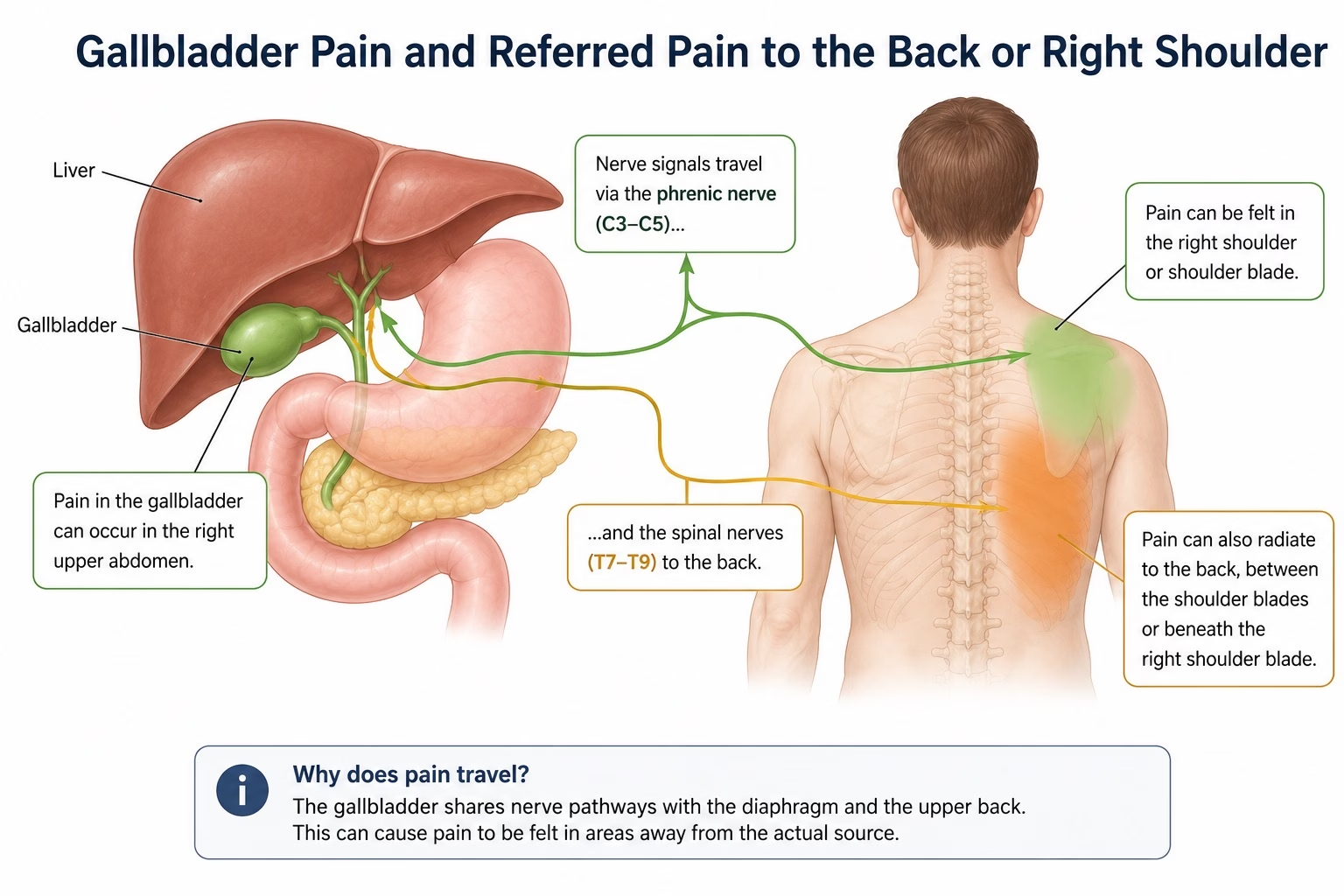
Back pain is so common that people often assume it must be muscular, spinal or posture-related. Sometimes it is. But pain felt in the back can also be referred from organs inside the abdomen. The gallbladder is one of the classic examples. When gallstones irritate or block the gallbladder outlet, pain can be felt under the right ribs, in the upper abdomen, between the shoulder blades, or around the right shoulder blade.
This article explains why gallstones can produce back pain, what features suggest gallbladder pain rather than simple muscle strain, how the diagnosis is usually made, and when gallbladder symptoms should be treated urgently.
Key takeaways
- Why gallbladder pain can travel to the back.
- Typical gallstone pain pattern.
- How gallbladder pain differs from muscular back pain.
- When gallstones become urgent.
Why gallbladder pain can travel to the back
The gallbladder sits under the liver in the right upper abdomen. Its job is to store bile and squeeze bile into the small bowel when you eat, particularly after a fatty meal. When stones are present, the gallbladder can contract against a blocked outlet. That pressure and inflammation can trigger pain signals that are felt not only in the abdomen but also in the back or shoulder region.
This is called referred pain. The location can confuse patients because the back may hurt more than the abdomen. A person may use heat packs, massage or anti-inflammatories for what they think is back strain, only to notice the attacks keep returning after certain meals or are associated with nausea and upper abdominal pressure.
Typical gallstone pain pattern
Gallstone pain often appears in episodes. It may begin under the right rib cage or in the upper middle abdomen, build over minutes, and last from a short period to several hours. It can radiate to the back, right shoulder blade or between the shoulder blades. Nausea, vomiting, sweating, bloating or inability to get comfortable may occur.
The meal relationship is helpful but not perfect. Fatty meals are a classic trigger because the gallbladder contracts more strongly, but some patients have attacks with ordinary meals or even overnight. If the pain is recurrent, severe or disruptive, it is worth arranging assessment rather than repeatedly treating it as indigestion or back strain.
How gallbladder pain differs from muscular back pain
Muscular pain often changes with posture, twisting, lifting, pressing on the area or stretching. Gallbladder pain is more likely to feel deep, internal, cramping or gripping. It may be hard to find a comfortable position. It may come with nausea, sweating, food triggers, dark urine, pale stools, fever or yellowing of the skin or eyes.
That said, symptoms are not always textbook. Some people have upper abdominal discomfort, reflux-like symptoms or bloating rather than classic severe pain. Others have back pain as the dominant complaint. The diagnosis is made by combining the story, examination, blood tests and imaging rather than relying on location alone.
When gallstones become urgent
Gallstones can cause biliary colic, acute cholecystitis, bile duct stones, pancreatitis or jaundice. Healthdirect describes cholecystitis as gallbladder inflammation that often needs hospital treatment. Warning signs include pain that does not settle, fever, chills, persistent vomiting, yellow skin or eyes, dark urine, pale stools, confusion, fainting or severe tenderness.
If those features occur, do not wait for a routine surgical appointment. Attend an emergency department. Urgent assessment may include blood tests, ultrasound, CT, antibiotics, fluids, pain relief, and sometimes procedures to clear the bile duct or remove the gallbladder. Recurrent but non-urgent attacks can usually be assessed through a planned outpatient pathway.
Considering a specialist opinion?
Dr Goutham Sivasuthan offers individualised assessment across Brisbane, Redland, Moreton Bay and Logan.
Make an appointment →Call (07) 3333 5518 · enquiry@upperedgesurgery.com.au
How gallstones are diagnosed
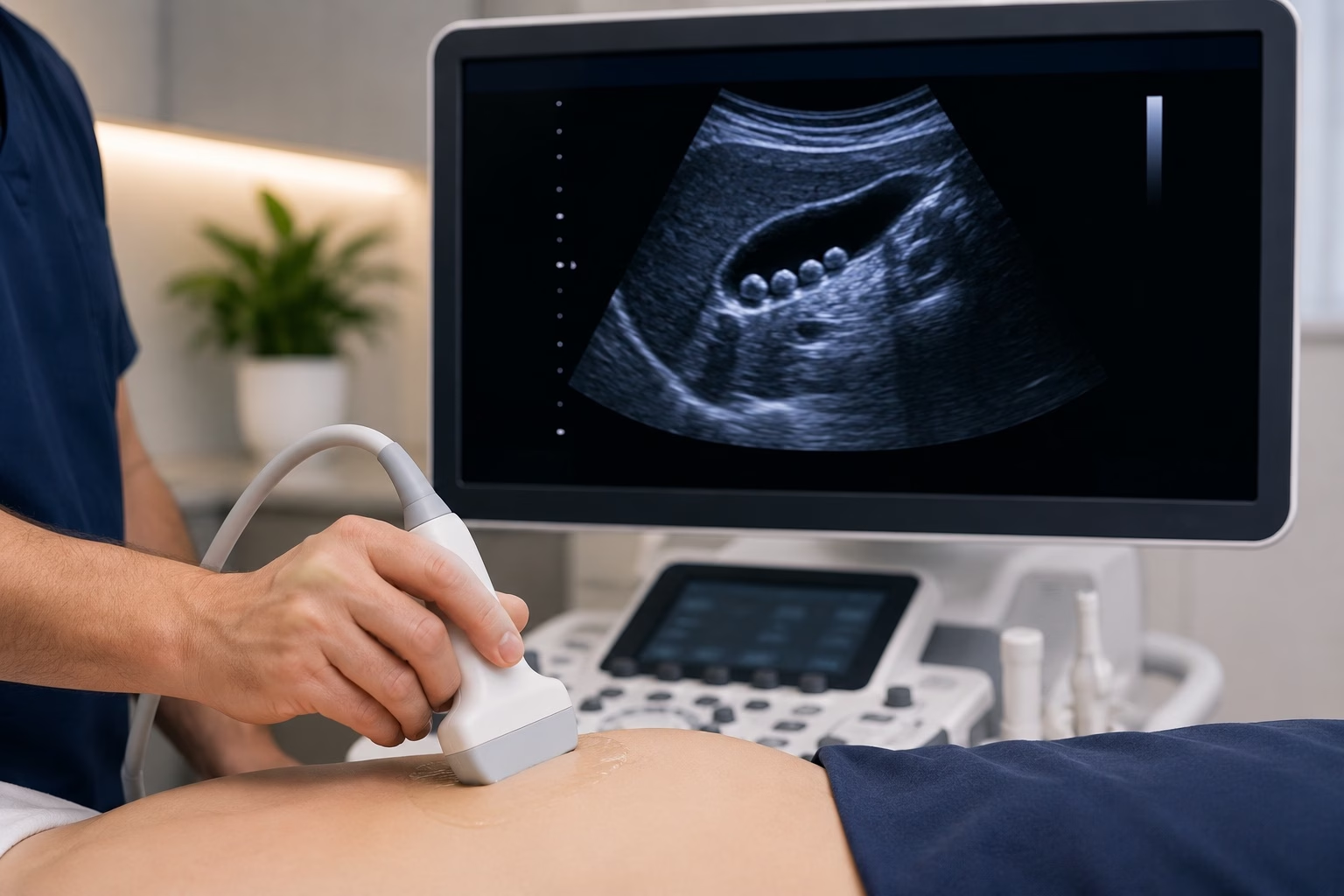
Ultrasound is usually the first-line test for gallstones. It can identify stones, sludge, gallbladder wall thickening and bile duct dilatation. Blood tests can check liver enzymes, inflammation markers, bilirubin and pancreatic enzymes. If bile duct stones are suspected, further imaging such as MRCP or other specialist tests may be arranged.
A normal ultrasound does not always end the conversation. Some patients have biliary-type symptoms without obvious stones, or symptoms that overlap with reflux, gastritis, peptic ulcer disease, functional dyspepsia or functional gastrointestinal disorders. In selected cases, gastroscopy may help assess stomach or duodenal causes of upper abdominal pain.
Treatment options for symptomatic gallstones
When gallstones are causing recurrent pain or complications, the usual definitive treatment is laparoscopic cholecystectomy: keyhole removal of the gallbladder. At Upper Edge Surgery, gallbladder surgery is planned around the patient’s symptoms, imaging, blood tests, medical background and timing. Most elective operations are designed as day-stay procedures when suitable.
Medication and diet changes may reduce attacks for some people while waiting, but they do not reliably remove the underlying problem once stones are symptomatic. Avoiding very fatty meals can help reduce triggers, but living indefinitely around food fear is not ideal. The consultation should clarify whether surgery is recommended, what recovery looks like, and what alternatives or further tests should be considered.
Can gallbladder removal affect digestion?
Most people digest food well after gallbladder removal, but some notice temporary changes such as looser stools, urgency after fatty meals, or mild bloating while the body adjusts. The liver continues to make bile; the difference is that bile flows more continuously into the intestine rather than being stored in the gallbladder. Dietary moderation early after surgery usually helps.
Patients with long-standing bloating, diarrhoea or upper abdominal symptoms before surgery should discuss this carefully because not every symptom may be gallbladder-driven. A good surgical opinion separates symptoms that are likely to improve from symptoms that may need additional gut health assessment.
What to do if you have right upper abdominal or back pain
If the pain is severe, prolonged or associated with fever, jaundice or vomiting, seek urgent care. If it is recurrent but settles between episodes, speak with your GP about liver function tests and an abdominal ultrasound. If gallstones are found and symptoms fit, a referral for gallbladder surgery assessment can help you decide whether planned keyhole gallbladder removal is appropriate.
Bring a timeline to the appointment: when attacks occur, how long they last, meal triggers, whether pain travels to the back or shoulder, associated nausea or vomiting, and any blood test or imaging results. Those details make the consultation far more useful.
When to seek urgent medical attention
Do not wait for an outpatient appointment if you have severe or rapidly worsening pain, persistent vomiting, fainting, a hard tender lump that will not reduce, fever, jaundice, black stools, large-volume bleeding, chest pain, shortness of breath, or symptoms that feel unsafe to you. In those situations, attend the closest emergency department or call emergency services.
Brisbane patient pathway
For non-urgent symptoms, the usual pathway is to see your GP first, arrange appropriate blood tests or imaging if needed, then obtain a referral for specialist assessment. At Upper Edge Surgery, Dr Goutham Sivasuthan reviews the history, examines the relevant area where appropriate, explains likely causes in plain language, and outlines the options. Patients can make an appointment online or call the rooms if they already have a referral.
If your pain pattern sounds gallbladder-related, arrange a GP review and ultrasound. Once gallstones are confirmed, Upper Edge Surgery can discuss keyhole gallbladder surgery in Brisbane and recovery planning.
What to bring to a gallbladder consultation
Bring any ultrasound report, CT report, emergency department discharge summary, blood test results and a list of medications, especially blood thinners, diabetes medications and injectable weight-loss or diabetes medicines. A food and symptom timeline is also helpful. Write down when attacks happen, whether the pain starts under the right ribs or in the back, how long it lasts, whether you vomit, whether you have fever or jaundice, and what foods seem to trigger it. These details help separate biliary colic from reflux, gastritis, pancreatitis, kidney stones and muscular back pain.
Patients often attend after several episodes and cannot remember the exact sequence. That is understandable. A simple note in your phone after each attack can be enough. Include the date, meal, pain location, severity, duration and whether you needed urgent care. This makes the surgical appointment much more productive and can help prioritise timing if attacks are becoming more frequent or severe.
Frequently asked questions
Where is gallbladder pain felt?
Classically under the right ribs or upper middle abdomen, but it can travel to the back, right shoulder blade or between the shoulder blades.
Can gallstones cause right shoulder pain?
Yes. Gallbladder irritation can cause referred pain to the right shoulder or shoulder blade area.
Can gallstones cause bloating?
They can contribute to upper abdominal discomfort, nausea and bloating-type symptoms, especially after rich meals, but bloating has many possible causes.
When is gallbladder pain an emergency?
Pain with fever, persistent vomiting, jaundice, severe tenderness, confusion, fainting or pain that does not settle should be assessed urgently.
Related reading
Gallbladder surgery in BrisbaneKeyhole removal for symptomatic gallstones. Life after gallbladder removalWhat recovery and digestion are really like afterwards. Why am I bloated all the time?Other digestive causes worth ruling out. Hernia surgery in BrisbaneAnother common cause of upper-abdominal discomfort.Book your consultation
See Dr Goutham Sivasuthan, Specialist Surgeon
Clear, unhurried advice about your options — no pressure to proceed.
★ 5.0 on Google · AHPRA MED0002000354 · Brisbane · Redland · Moreton Bay · Logan
This article is general information for patients in Brisbane, Redland, Moreton Bay and Logan. It does not replace advice from your GP, surgeon or emergency department. If symptoms are severe, sudden or worsening, seek urgent medical care rather than waiting for a routine appointment.