
Why Am I Bloated All the Time?
Quick answer: Bloating can come from gas, constipation, food intolerance, IBS, delayed stomach emptying, gallbladder disease or bowel inflammation. Occasional bloating is common; persistent, progressive or painful bloating deserves assessment, especially when it comes with bleeding, weight loss, anaemia, vomiting or a clear change in bowel habit. Upper Edge Surgery can help triage whether symptoms fit a functional gastrointestinal disorder, need imaging, or warrant gastroscopy or colonoscopy.
Bloating is one of those symptoms that sounds simple until you try to describe it. Some people mean visible swelling. Others mean pressure, fullness, trapped wind, upper abdominal tightness, lower abdominal cramping, or the feeling that clothes are uncomfortable by the end of the day. The pattern matters because different patterns point to different causes.
The frustrating part is that bloating can be caused by harmless physiology, food and lifestyle factors, but it can also overlap with conditions that need investigation. A good assessment does not jump straight to a label like IBS. It asks where the bloating sits, when it occurs, how the bowel behaves, whether the stomach empties normally, and whether there are warning features that need to be excluded.
Bloating is a symptom, not a diagnosis
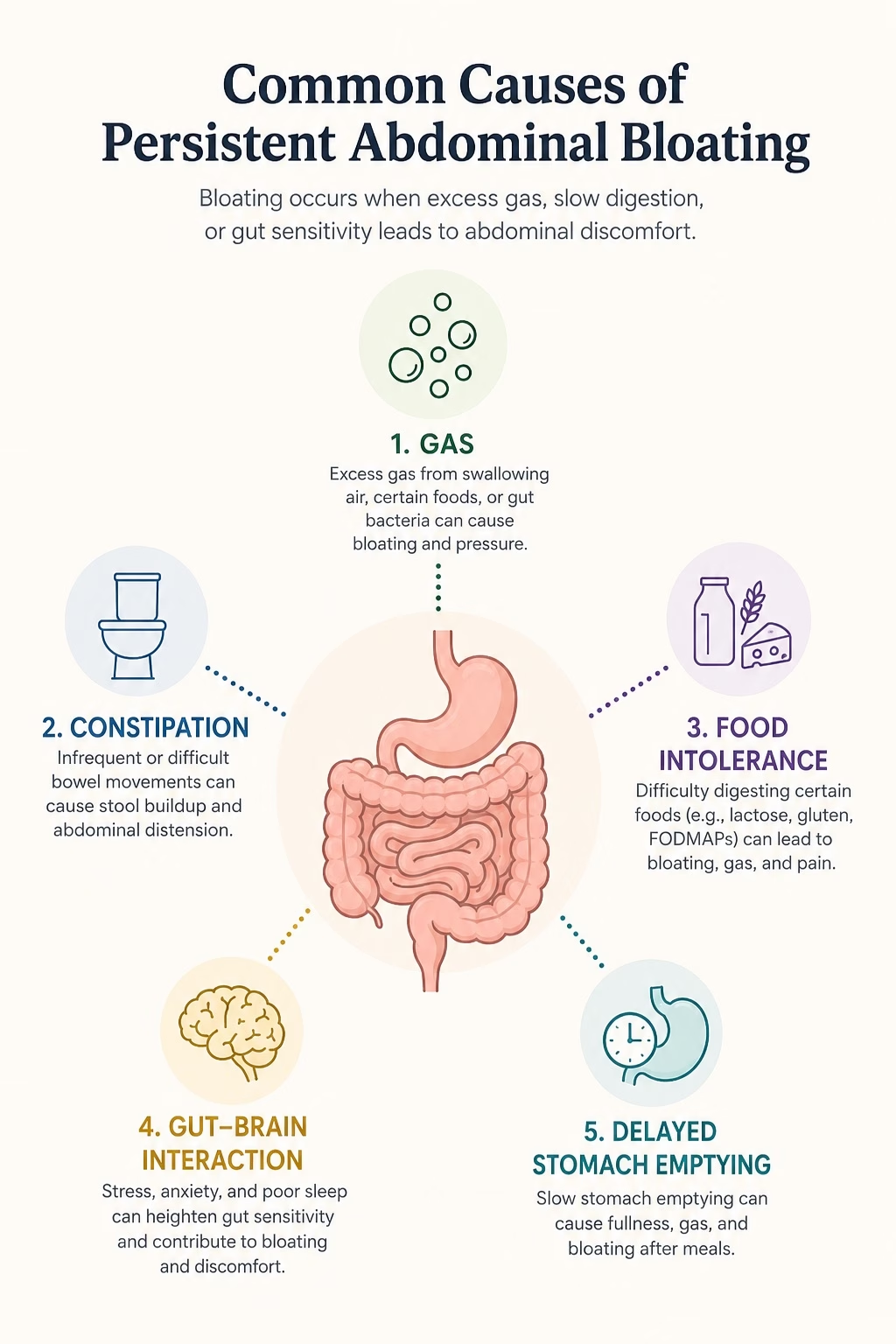
The word “bloating” describes an experience; it does not explain the cause. Gas production, swallowed air, constipation, gut sensitivity, hormonal changes, food fermentation and slow motility can all create bloating. Two people can use the same word but need completely different treatment. One may need constipation management, another may need coeliac testing, another may need a gastroscopy, and another may benefit from structured dietitian support.
Healthdirect lists common causes including IBS, constipation, coeliac disease and food intolerances. That is a helpful starting point, but the clinical task is to match the symptom pattern to the person. If symptoms are persistent, the question is not “what supplement should I try?” It is “what are we confident this is, and what do we need to rule out?”
The timing of bloating gives useful clues
Bloating that appears soon after meals and sits high in the abdomen may suggest stomach-related triggers, reflux overlap, aerophagia, gastroparesis or functional dyspepsia. Bloating that builds through the day and improves after passing wind or opening the bowels often points toward lower gut gas, constipation or IBS. Bloating that is constant, progressive or associated with early fullness, vomiting or weight loss deserves a more cautious approach.
A two-week symptom diary can be surprisingly useful. Record meal timing, major foods, bowel movements, pain, menstrual cycle if relevant, medications, carbonated drinks, gum chewing, stress, sleep and exercise. The goal is not to blame every symptom on diet; it is to give your GP or specialist a clearer pattern so investigations are targeted rather than random.
Constipation is commonly missed
Many patients with bloating do not describe themselves as constipated because they still open their bowels. Constipation is not only about frequency. It can also mean incomplete emptying, hard stools, straining, pellet-like stool, or needing a long time on the toilet. When stool sits in the colon, fermentation and gas can increase, and the abdomen can feel tight or heavy.
Before escalating to complex testing, it is often worth addressing hydration, soluble fibre, toileting routine, physical activity and appropriate laxatives under medical guidance. However, new constipation after midlife, constipation with bleeding, anaemia, weight loss, a family history of bowel cancer, or a major change from your baseline should be assessed rather than treated indefinitely with over-the-counter products.
IBS is real, but it should be diagnosed thoughtfully
IBS can cause abdominal pain, bloating, wind, diarrhoea, constipation or alternating bowel habit. It is a disorder of gut-brain interaction, not a “made up” condition. The problem is that IBS-like symptoms can overlap with coeliac disease, inflammatory bowel disease, microscopic colitis, bowel cancer, medication effects, gallbladder disorders and gynaecological conditions. A thoughtful diagnosis is empowering; a rushed diagnosis can be dismissive.
At Upper Edge Surgery, persistent bloating may be considered within the functional gastrointestinal disorders pathway, but the plan is individualised. Depending on symptoms, this may include blood tests, stool tests, coeliac serology, faecal calprotectin, imaging, gastroscopy, colonoscopy, microbiome-focused strategies, dietitian input or referral to another specialist when appropriate.
Considering a specialist opinion?
Dr Goutham Sivasuthan offers individualised assessment across Brisbane, Redland, Moreton Bay and Logan.
Make an appointment →Upper abdominal bloating may involve the stomach or gallbladder
Bloating after rich meals, nausea, right upper abdominal pain or pain travelling to the back or shoulder can raise the possibility of gallbladder disease. Not every bloated patient needs gallbladder surgery, but gallstones can produce confusing digestive symptoms. Ultrasound and blood tests can help clarify whether the gallbladder is part of the story.
Early fullness, nausea, vomiting, reflux and bloating after small meals can suggest delayed stomach emptying or gastroparesis. This may need a different pathway to lower bowel bloating. Upper Edge Surgery has specific information on gastroparesis assessment and can also use gastroscopy to investigate selected upper gastrointestinal symptoms.
When colonoscopy or gastroscopy is considered
Endoscopy is not required for every person with bloating. It becomes more relevant when symptoms are persistent, unexplained, associated with red flags, or accompanied by changes suggesting structural disease. Gastroscopy can assess the oesophagus, stomach and duodenum and allow biopsies for conditions such as coeliac disease or gastritis. Colonoscopy can assess the large bowel and is particularly relevant when bloating occurs with bleeding, iron deficiency, persistent diarrhoea, bowel habit change or family history concerns.
This is where local care pathways matter. A patient with isolated dietary bloating may be best served by dietetic management. A patient with bloating plus rectal bleeding may need colonoscopy. A patient with bloating, nausea and early fullness may need a stomach-focused pathway. The right test is the one that answers the clinical question.
What you can try while waiting for assessment
Simple steps can help without masking serious symptoms. Eat more slowly, reduce carbonated drinks, avoid chewing gum, treat constipation, walk daily, review medications with your GP or pharmacist, and avoid making too many dietary changes at once. A temporary reduction in high gas-producing foods may help some people, but long restrictive diets should be avoided unless supervised, especially if weight is falling or intake is already limited.
Do not repeatedly self-treat with antibiotics, cleanses or extreme elimination diets without diagnosis. The gut is complex, and aggressive interventions can sometimes make the picture harder to interpret. A clear history, sensible baseline tests and a staged plan usually produce better answers than trying every product on the internet.
What to do if bloating is affecting your life
Persistent bloating can be socially embarrassing, physically uncomfortable and mentally exhausting. If you are planning your day around your abdomen, avoiding meals, loosening clothing after lunch, or worrying that something is being missed, it is reasonable to ask for a structured assessment. Upper Edge Surgery can help sort whether your symptoms sit best under FGID management, endoscopy, colonoscopy, gallbladder assessment or another referral pathway.
The most useful next step is not a perfect self-diagnosis. It is a clear symptom summary: where the bloating is, when it happens, what your bowels are doing, what makes it better or worse, and whether there are warning signs. That gives your doctor something solid to work with.
When to seek urgent medical attention
Do not wait for an outpatient appointment if you have severe or rapidly worsening pain, persistent vomiting, fainting, a hard tender lump that will not reduce, fever, jaundice, black stools, large-volume bleeding, chest pain, shortness of breath, or symptoms that feel unsafe to you. In those situations, attend the closest emergency department or call emergency services.
Brisbane patient pathway
For non-urgent symptoms, the usual pathway is to see your GP first, arrange appropriate blood tests or imaging if needed, then obtain a referral for specialist assessment. At Upper Edge Surgery, Dr Goutham Sivasuthan reviews the history, examines the relevant area where appropriate, explains likely causes in plain language, and outlines the options. Patients can make an appointment online or call the rooms if they already have a referral.
If bloating is persistent, worsening or occurring with other digestive symptoms, consider a GP referral for assessment. You can also review Upper Edge Surgery information on functional gut symptoms and direct-access endoscopy where appropriate.
Frequently asked questions
Can bloating be serious?
Yes, sometimes. Most bloating is not dangerous, but bloating with weight loss, vomiting, bleeding, anaemia, persistent diarrhoea, severe pain or progressive abdominal swelling needs assessment.
When should I get a colonoscopy for bloating?
A colonoscopy may be considered when bloating occurs with bowel habit change, rectal bleeding, iron deficiency, abnormal stool tests, inflammatory markers, family history or other concerning features.
Can gallstones cause bloating?
Gallstones can cause upper abdominal discomfort, nausea and food-related symptoms that some patients describe as bloating. Ultrasound and clinical assessment help determine whether the gallbladder is relevant.
Should I try a low-FODMAP diet first?
A low-FODMAP approach may help selected IBS patients, but it is best done with dietitian guidance and after red flags have been considered. It should not delay investigation when symptoms are concerning.
Related reading
See Dr Goutham Sivasuthan, Specialist Surgeon
Clear, unhurried advice about your options — no pressure to proceed.
Make an appointment →Call (07) 3333 5518This article is general information for patients in Brisbane, Redland, Moreton Bay and Logan. It does not replace advice from your GP, surgeon or emergency department. If symptoms are severe, sudden or worsening, seek urgent medical care rather than waiting for a routine appointment.