

Colonoscopy Brisbane: A Patient's Complete Guide
Introduction to Colonoscopy
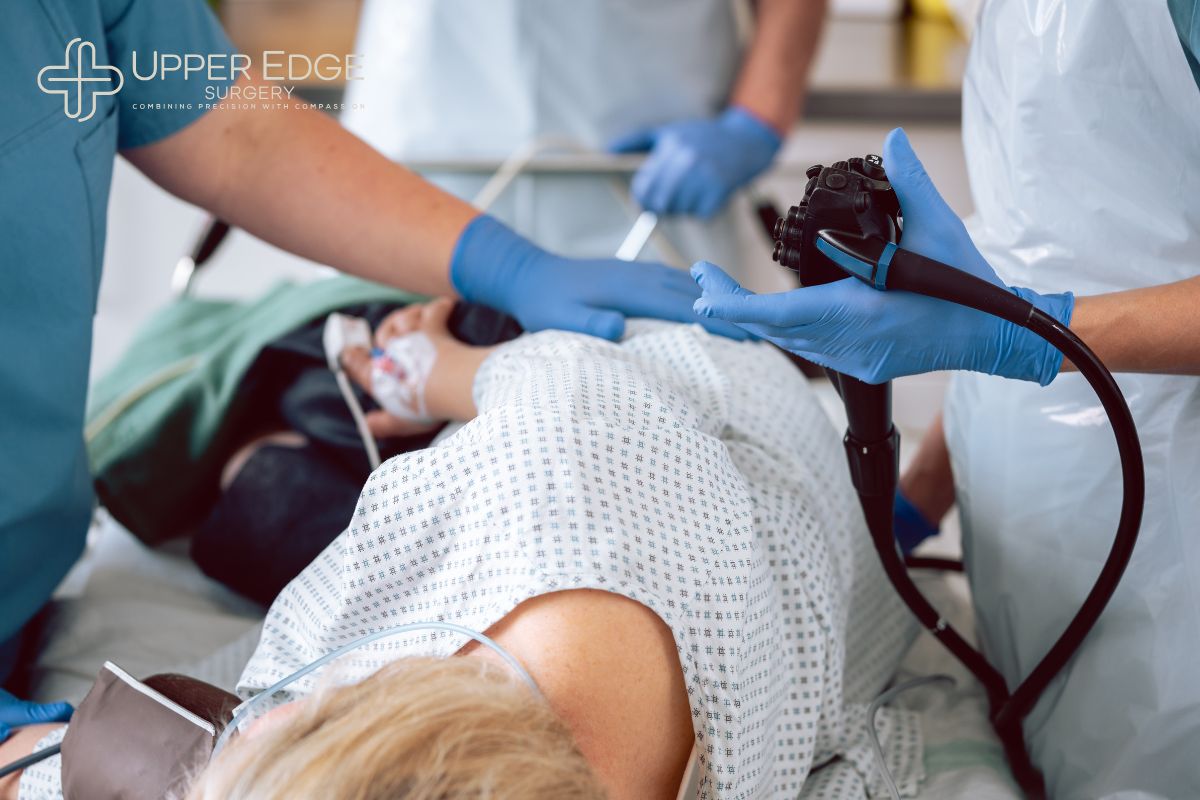
A colonoscopy is a minimally invasive procedure that allows gastroenterologists to examine the large intestine (colon) for abnormalities like polyps, inflammation, or cancer. In Brisbane, this procedure is performed by qualified specialists using high-definition scopes for accurate diagnosis and treatment.
Key Benefits of Colonoscopy:
Early detection of bowel cancer (Australia’s 2nd deadliest cancer).
Preventive care: Removal of precancerous polyps before they turn malignant.
Diagnosis of digestive disorders (e.g., Crohn’s disease, ulcerative colitis).
Why Colonoscopy is Critical for Bowel Cancer Prevention
5,000+ Australians die yearly from bowel cancer, yet 90% of cases are treatable if caught early.
Only 41% of eligible patients complete screenings, leaving many undiagnosed.
Colonoscopy is the gold standard—more accurate than stool tests (FIT kits).
Did You Know?
1 in 13 Australians will develop bowel cancer in their lifetime.
New guidelines recommend screening from age 45 (previously 50) due to rising early-onset cases.
Who Needs a Colonoscopy in Brisbane?
Age-Based Screening Guidelines
45+ years: Recommended for all adults, even without symptoms.
High-risk patients: Start earlier if you have a family history of bowel cancer.
Symptom-Based Screening
Schedule a colonoscopy if you experience:
✔ Rectal bleeding
✔ Persistent abdominal pain
✔ Unexplained weight loss
✔ Chronic diarrhoea/constipation
✔ Iron deficiency anaemia
High-Risk Patients
Previous polyps or bowel cancer.
Inflammatory bowel disease (IBD) (e.g., Crohn’s, ulcerative colitis).
Choosing the Best Colonoscopy Clinic in Brisbane
When selecting a colonoscopy provider in Brisbane, consider:
✅ Specialist expertise
✅ Advanced technology (high-definition scopes, AI-assisted detection).
✅ Short waiting times (especially for urgent cases).
Why Brisbane Patients Trust Upper Edge Surgery:
Dual-trained specialist (endoscopy + surgery).
High polyp detection rates in Queensland.
Colonoscopy Preparation: Step-by-Step Guide
Dietary Restrictions
❌ Avoid: Nuts, seeds, corn, whole grains.
✅ Eat: White bread, lean meats, plain pasta.
Bowel Prep Instructions (Day Before)
Clear liquids only (water, broth, black tea).
Pro Tip:
No red/purple jelly (can mimic blood in the colon).
What Happens During a Colonoscopy?
Sedation & Comfort
Light anaesthesia ensures a painless experience.
Procedure time: 20-30 minutes.
Polyp Removal & Biopsy
Polyps are removed immediately and sent for testing.
Real-time findings discussed post-procedure.
Recovery After Colonoscopy
Rest for 24 hours (no driving).
Mild bloating is normal (resolves in hours).
Follow-up appointment to review results.
Colonoscopy Costs in Brisbane
Medicare & Insurance
Medicare rebates available with a GP referral.
Private health may cover additional costs.
Self-Funded Options
Diagnostic colonoscopy
Therapeutic colonoscopy (with polyp removal)
📞 Contact us for a personalised quote.

Why Choose Upper Edge Surgery for Your Colonoscopy in Brisbane?
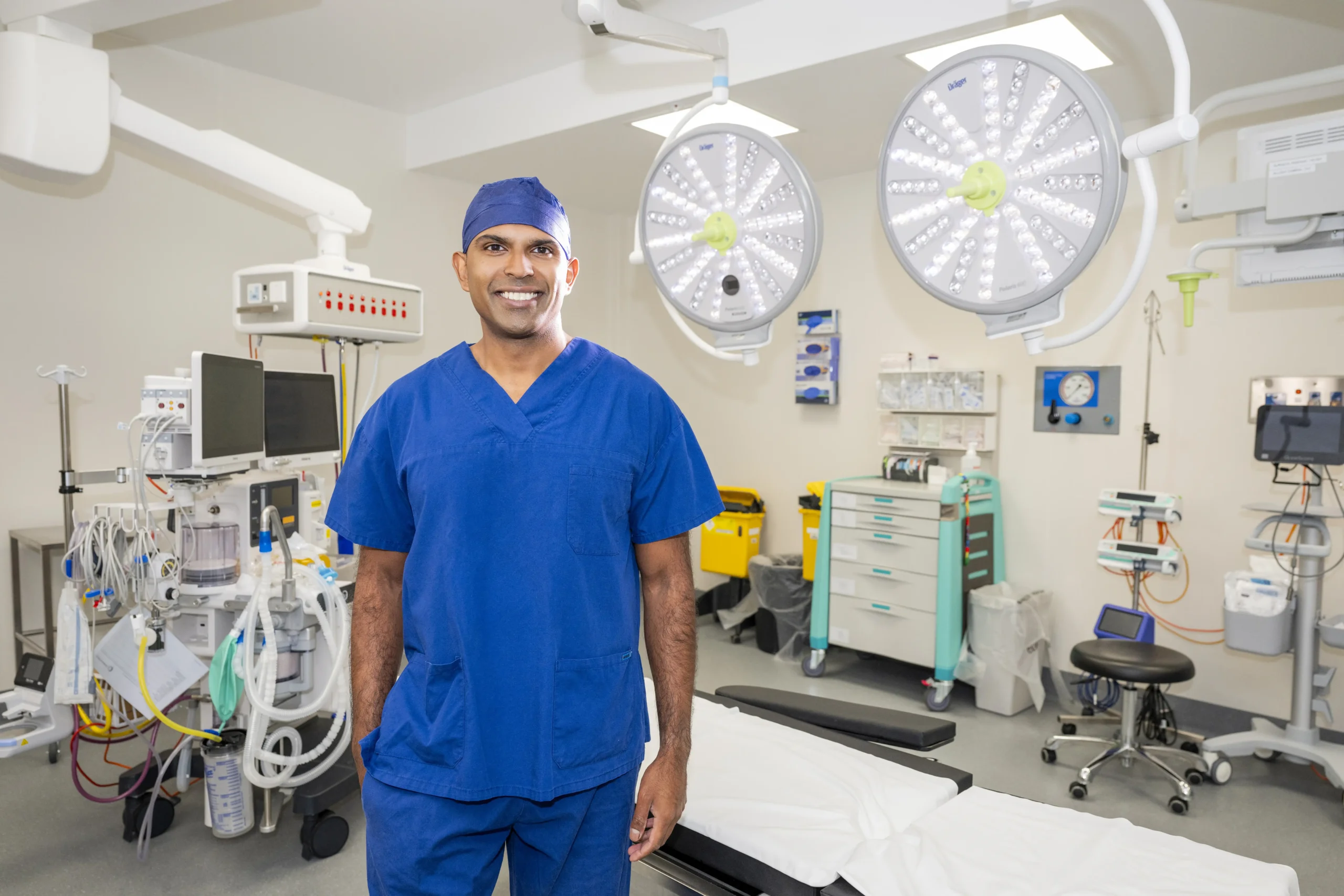
At Upper Edge Surgery, led by Dr. Goutham Sivasuthan, we provide:
✔ Expert colonoscopy screening with advanced technology
✔ Personalised care and clear communication
✔ Comfortable, patient-focused experience
If you need a colonoscopy in Brisbane, contact us to book a consultation. Early detection saves lives!
📞 Call Upper Edge Surgery today or visit our Contact page to learn more.
Final Thoughts
A colonoscopy is a life-saving procedure that helps prevent colorectal cancer and diagnose digestive issues early. If you’re due for a screening or experiencing symptoms like rectal bleeding or persistent bowel changes, don’t delay—book an appointment with a specialist.
Dr. Goutham Sivasuthan
Upper Edge Surgery – Brisbane
Related reading
More from the Upper Edge Surgery blog:
Upper Edge Surgery
Ready to take the next step?
Dr Goutham Sivasuthan — known-gap fees for insured patients, no pressure to book.
Request an appointment(07) 3333 5518 · enquiry@upperedgesurgery.com.au · Dr Goutham’s bio
Or send your enquiry using the form below ↓
General information, not personal medical advice. Dr Goutham Sivasuthan — AHPRA MED0002000354.
Last medically reviewed by Dr Goutham Sivasuthan, FRACS (AHPRA MED0002000354). This article is general information, not personal medical advice. Please see your GP or a surgeon about your own situation.